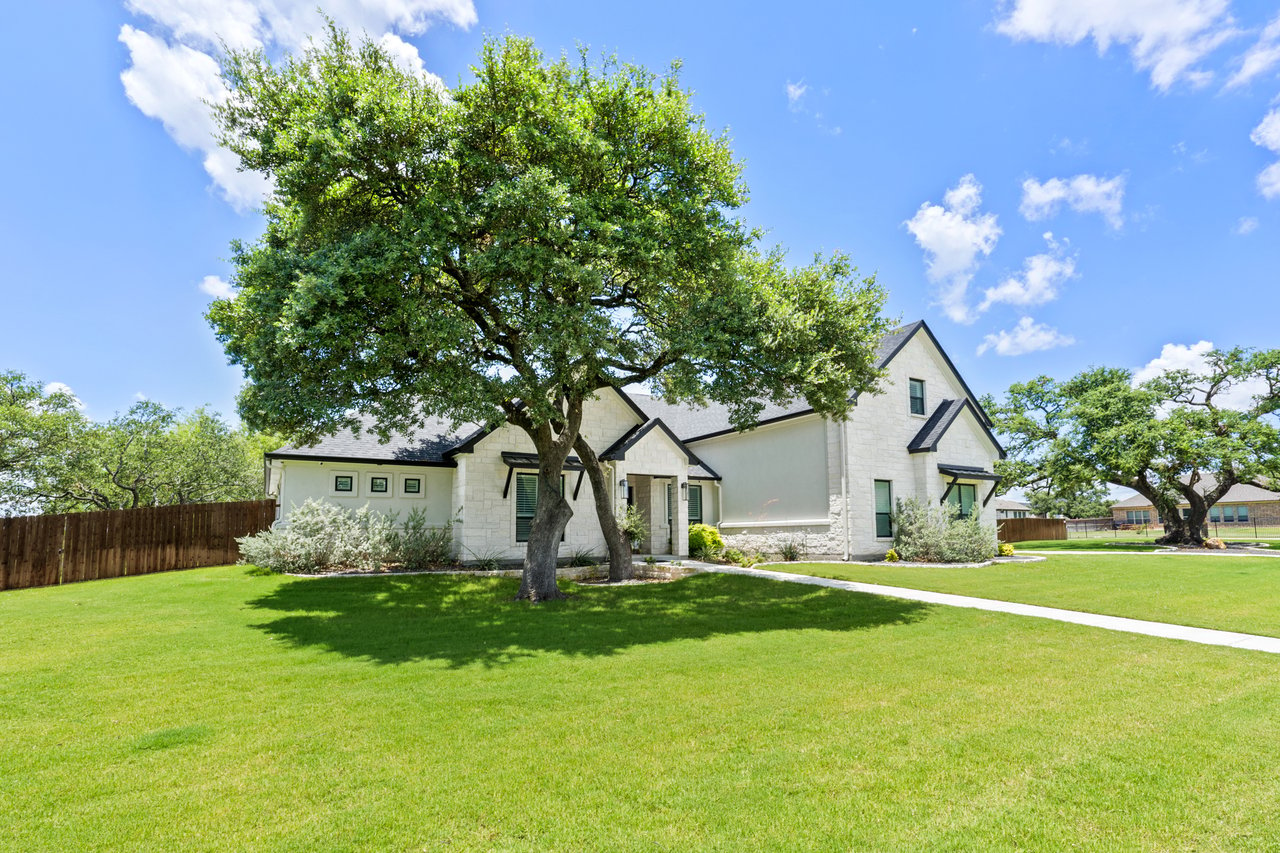
Should You List Your Temple or Belton Luxury Home in January or Wait Until Spring 2027?
Should you list your Temple or Belton luxury home in January or wait until spring 2027?
Both can be good options. January may offer less listing competition, while spring may bring more active buyers. The better choice depends on your home's price, condition, competing listings, and selling timeline.
If you're thinking about selling your luxury home in Temple or Belton, Texas, you may be facing a familiar question: Should you get ahead of the spring market by listing in January, or wait until more buyers begin shopping in March, April, and May?
It's an important decision, especially when you're selling a higher-priced property.
Unlike homes in more common price ranges, luxury properties often appeal to a smaller pool of qualified buyers. That means the timing of your listing, the number of competing properties, and your pricing strategy can all influence the experience.
But there's something luxury sellers should understand: January isn't automatically too early, and spring isn't automatically better.
At Home in Texas Team, our mother-daughter real estate team, Ali Thompson and McKenna Taggart, believes sellers deserve to understand both sides before deciding when to list.
Let's compare what each season could mean for your Temple or Belton luxury home in 2027.
Before comparing January and spring, it's helpful to understand the broader local housing market.
Homes in Temple and Belton are not necessarily selling immediately, and a meaningful share of listings have experienced price reductions.
For luxury sellers, this reinforces the importance of entering the market with an appropriate asking price and a well-prepared property.
A home with distinctive architecture, acreage, lake access, premium finishes, or an exceptional location may behave very differently from the market average.
That's why a luxury listing strategy should be based on comparable properties in your specific price range—not just the city's median home price.
January can be a reasonable time to introduce your home to the market, particularly when you have a clear selling timeline and the property is ready for professional marketing.
Some homeowners postpone listing until spring.
If fewer comparable luxury properties are available in January, your home may receive more attention from buyers searching in that price range.
For example, imagine you're selling a $950,000 home in Temple.
If only a handful of properties offer similar square footage, finishes, lot size, and location, buyers may have fewer direct alternatives.
However, fewer competing listings do not automatically mean more showings or stronger offers.
The number of active buyers also matters.
January's potential advantage is less competing inventory—not a guarantee of higher demand.
Not every buyer follows the traditional spring homebuying calendar.
Relocation buyers, executives changing jobs, families with specific moving deadlines, and buyers coordinating the sale of another property may search throughout the year.
For Temple and Belton luxury homes, an early-year listing can be relevant to buyers who want to secure a property before a planned move.
These buyers may have firm timelines, but that doesn't necessarily mean they'll pay more.
Your home's presentation, price, and suitability still determine whether they make an offer.
If you want to sell before summer, listing in January may provide additional time for marketing, negotiations, inspections, financing, and closing.
That can be helpful if you're also purchasing another home or coordinating a relocation.
You may have time to evaluate market feedback before the traditional spring season begins.
But that flexibility has a tradeoff: If your home sits on the market for several months without a sale, some buyers may question the price or condition.
The goal should never be to list early simply to accumulate days on market.
It should be to list when your property is prepared and your pricing strategy is supported by current evidence.
January also presents challenges that luxury sellers should consider.
Even if fewer homes are listed, fewer buyers may be actively touring properties.
Some buyers are recovering from holiday expenses, waiting for work schedules to settle, or planning to begin their search later in the year.
For luxury homes with a naturally smaller buyer pool, slower activity can be noticeable.
Luxury properties often depend heavily on presentation.
Landscaping, outdoor kitchens, pools, patios, waterfront views, and expansive outdoor living areas can be important selling features.
In January, landscaping may be less vibrant, and cold or rainy weather can make outdoor spaces harder to showcase.
Professional photography, thoughtful staging, and high-quality video can help, but some properties simply photograph better in spring.
If demand is limited in your specific price range, an early listing may remain active for several weeks or months.
That isn't automatically a problem.
However, sellers should understand that extended market time can affect buyer perceptions, particularly if the property is priced above comparable homes.
Spring has traditionally been an active season in residential real estate.
For some luxury homes in Temple and Belton, waiting until March, April, or May may offer advantages.
More households often begin actively searching during spring as they plan moves around work, school calendars, and summer schedules.
A larger buyer audience could be beneficial for luxury sellers.
For example, a family relocating to Bell County may prefer to identify a home during spring and complete the move before the next school year.
That doesn't guarantee more offers, but it may increase opportunities for showings.
Spring can be especially appealing for luxury properties with extensive outdoor features.
A home with mature landscaping, a swimming pool, outdoor entertaining spaces, or acreage may benefit from longer daylight hours and greener surroundings.
Buyers can more easily picture how they might use those features.
This can be relevant for luxury homes in Belton with lake-oriented amenities or Temple properties with larger outdoor living spaces.
For certain properties, seasonal presentation may be a meaningful reason to wait.
If your home needs painting, landscaping, repairs, staging, or updated photography, waiting until spring may allow you to complete those projects without rushing.
Preparation can matter more than the difference between listing in January and listing in April.
A thoughtfully prepared home launched at an appropriate price may perform better than one placed on the market before it's ready.
Spring isn't without drawbacks.
If several homeowners in your neighborhood or price range decide to list at the same time, buyers may have more properties to compare.
That can make pricing and differentiation especially important.
Your home may be attractive, but buyers could have other options with similar features or locations.
Higher seasonal activity doesn't necessarily translate into higher sale prices.
If inventory increases faster than demand, buyers may gain negotiating options.
And if mortgage rates remain elevated, financing costs could limit what some buyers are willing or able to spend.
Waiting several months has a financial component.
Property taxes, homeowners insurance, utilities, maintenance, lawn care, pool service, and mortgage payments may continue while you own the property.
For a luxury home, those costs can be substantial.
If waiting until spring might improve your sale price, compare that potential benefit against the cost of maintaining the home longer.
Factor | Listing in January | Listing in spring |
|---|---|---|
Competing listings | May be fewer | May be more |
Active buyers | May be fewer | May be more |
Outdoor presentation | Depends on winter conditions | Often benefits from spring landscaping |
Relocation buyers | Can reach buyers with early-year deadlines | Can reach buyers planning summer moves |
Time before summer | Longer marketing window | Shorter marketing window |
Holding costs | Opportunity to sell sooner | Additional months of ownership costs |
Sale price | No guaranteed advantage | No guaranteed advantage |
Best fit | Ready-to-list sellers with flexible expectations | Sellers who benefit from more preparation or seasonal presentation |
Neither season consistently wins in every category.
The right decision depends on how the seasonal tradeoffs apply to your property.
Mortgage rates are another factor worth monitoring.
According to Freddie Mac's October 15, 2026 mortgage survey, the average 30-year fixed mortgage rate was 7.40%, compared with 6.27% one year earlier.
For luxury buyers financing a significant portion of their purchase, mortgage rates can influence affordability.
Some buyers may adjust their price range, increase their down payment, or consider different loan structures.
Other luxury buyers may purchase with cash or have financial circumstances that make them less sensitive to rate changes.
That means mortgage rates matter, but they don't affect every luxury buyer equally.
The Federal Housing Finance Agency established a baseline conforming loan limit of $832,750 for one-unit properties in most U.S. counties in 2026.
Source: Federal Housing Finance Agency — Conforming Loan Limits.
As of October 21, 2026, the official 2027 limit has not yet been announced.
Changes to the conforming loan limit could affect financing options for some buyers purchasing higher-priced homes in Temple or Belton.
However, the loan limit applies to the mortgage amount, not the home's total purchase price.
And a higher conforming limit does not automatically guarantee lower interest rates, easier qualification, or increased buyer demand.
For sellers considering January versus spring, it's worth reviewing the official 2027 limit once announced, alongside actual lender terms.
For many luxury properties, several factors may matter more than the difference between January and April.
A $1 million home shouldn't be priced simply by applying the city's average price-per-square-foot figure.
Luxury pricing requires a closer look at property-specific features, recent comparable sales, active competition, and buyer expectations.
An appropriately priced January listing may outperform an overpriced spring listing.
The reverse can also be true.
Luxury buyers expect detailed property information and high-quality presentation.
Depending on the home, a marketing plan may include professional photography, video, floor plans, aerial imagery where appropriate, and targeted exposure to qualified buyers.
These tools can be valuable in either season.
Are you relocating out of state? Purchasing another home? Downsizing? Moving closer to family?
Your plans should influence your listing strategy.
If selling earlier would simplify your next move, January may deserve consideration.
If you have no deadline and want to complete improvements or showcase your property during spring, waiting may be reasonable.
A $750,000 home in Temple may face a very different competitive environment from a $1.5 million property in Belton.
Before choosing a listing date, review how many comparable homes are currently available, how long they have been listed, and how recently similar properties have sold.
Citywide averages alone cannot answer that question.
Rather than choosing a month based on general market advice, compare two realistic scenarios.
Scenario A: List in January 2027
Consider what your home could reasonably list for, how many comparable properties might compete with it, and what it would cost to prepare for an early launch.
Scenario B: Wait Until Spring 2027
Consider whether additional preparation would improve the home's presentation, how much extra holding costs would be, and whether spring could bring more competition.
Then evaluate both scenarios against your financial goals and preferred moving timeline.
You may find that one option is clearly more practical.
Or you may discover that either could work, provided the pricing and marketing strategy are appropriate.
Yes, luxury homes can sell in January. However, activity depends on available inventory, qualified buyers, property features, pricing, and financing conditions. January should not automatically be dismissed as a listing month.
Not necessarily. Spring may attract more buyers, but it can also bring more competing listings. A higher sale price is not guaranteed simply because you list later in the year.
Not automatically. Review showing activity, buyer feedback, comparable sales, and competing listings before deciding whether a price adjustment is appropriate. The number of days on market alone doesn't tell the full story.
Choosing when to sell your luxury home is a personal and financial decision.
January may offer an opportunity to enter the market before additional listings appear. Spring may provide a larger pool of active buyers and stronger seasonal presentation.
Both approaches have potential benefits and drawbacks.
At Home in Texas Team, Ali Thompson and McKenna Taggart help homeowners in Temple, Belton, and surrounding Central Texas communities evaluate their options with a property-specific strategy.
As a mother-daughter-run real estate team, we believe you should understand the market, the competition, and the financial considerations before deciding when to sell.
Thinking about listing your Temple or Belton luxury home in 2027? Contact Home in Texas Team to compare a January listing strategy with a spring listing strategy and determine which best fits your goals.
Ali Thompson & McKenna Taggart | Home in Texas Team | Temple and Belton, Texas
Market information reflects available sources as of October 21, 2026. Future market conditions, mortgage rates, inventory, and sale prices cannot be guaranteed.
January vs. Spring 2027: Comparing Buyer Demand, Competition, and Market Conditions to Help Temple and Belton Luxury Homeowners Decide When to Sell

Why November and December Could Give Temple and Belton Homebuyers More Negotiating Power in 2026

What relocating homebuyers should know about Central Texas school ratings, campus differences, and choosing where to buy.
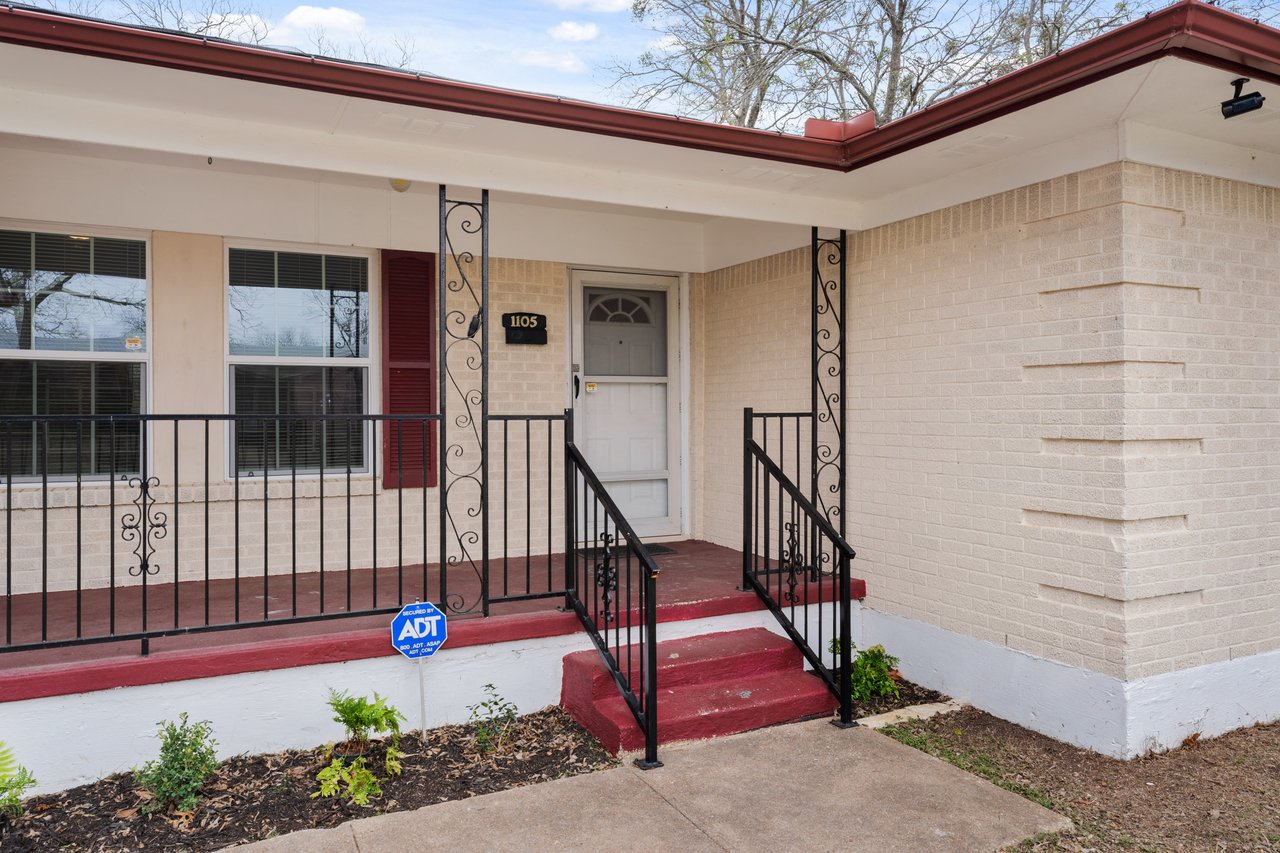
Leaving Fort Hood? Discover Whether Selling or Renting Your Killeen Home Makes Sense—and Why Temple, Belton, or Salado Could Be Your Next Move.
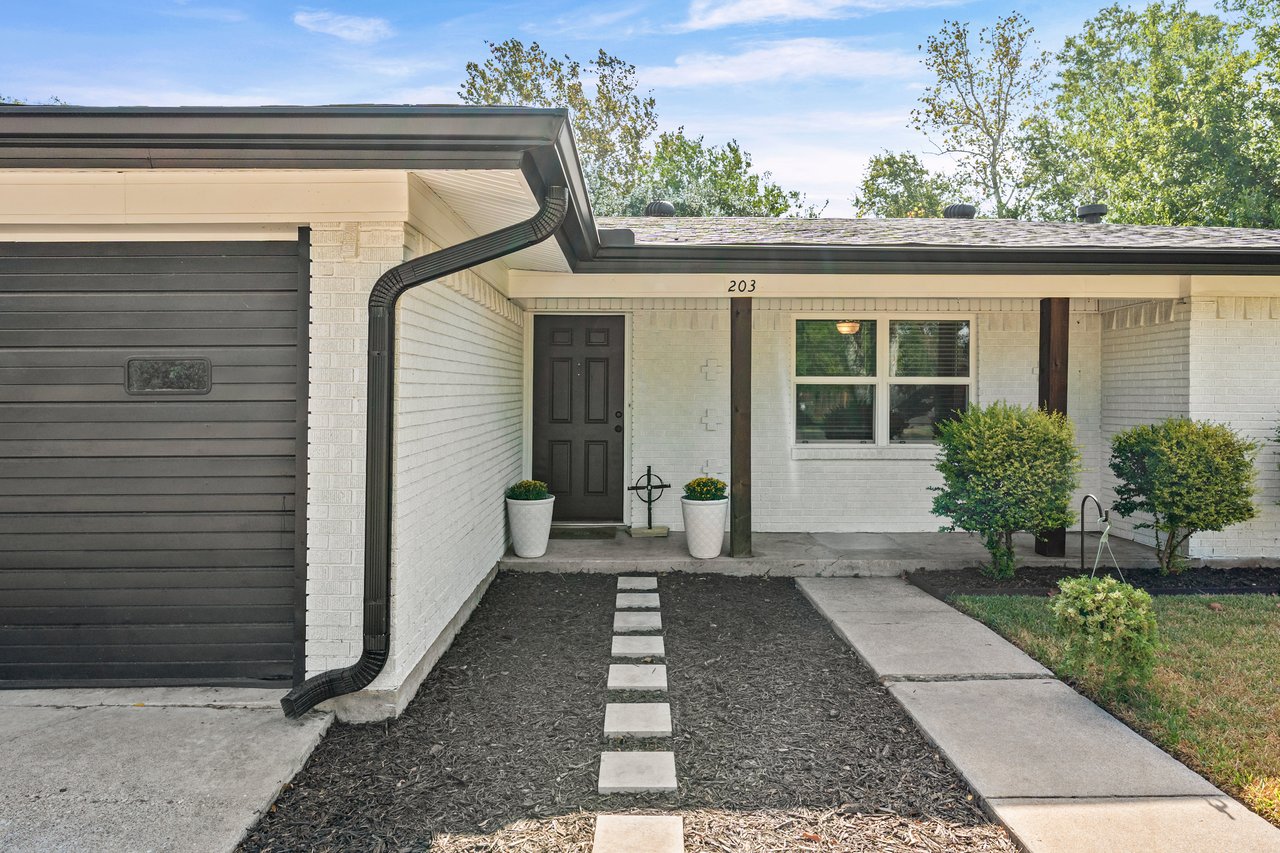
How Seller Concessions, Rate Buydowns, ARMs, and Builder Incentives Can Help You Buy in Today’s Market

What Temple, Belton & Salado Homebuyers Need to Know Before Buying Acreage or Luxury Property

How Temple and Belton First-Time Buyers Can Compare Down Payment Assistance, Texas Homebuyer Programs, and Builder Rate Buydowns
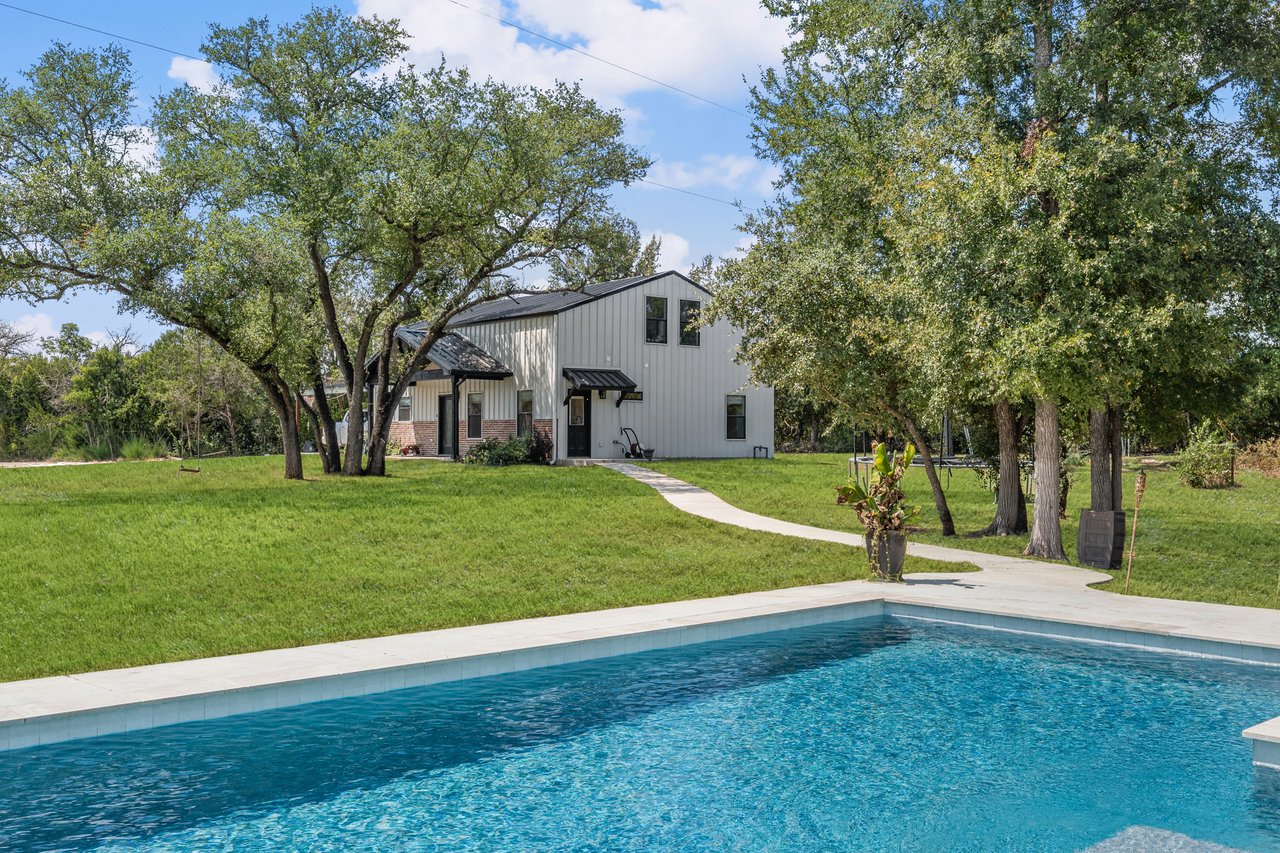
What Out-of-State and Luxury Buyers Need to Know About ETJs, Septic, Water, Floodplains, Road Access, Restrictions, and Future Development
How to Compare Builder Rate Buydowns, Closing Costs, Monthly Payments, and Resale Homes Before You Buy
Through my business, my involvement in our community, and my dedication to my clients, I have developed a great network of friends and business associates. If you need something, I’ll be able to help….and that’s what I love doing!

Ali L. Thompson
McKenna Taggart
Address
6270 W ADAMS AVE
TEMPLE TX 76502