
Is November or December a Good Time to Buy a Home in Temple or Belton, Texas?
Is November or December a good time to buy a home in Temple or Belton, Texas?
Yes. November and December can offer Temple and Belton homebuyers opportunities to negotiate on price, closing costs, and repairs as seasonal competition slows. But the best deal depends on the home, seller motivation, and financing.
Updated October 21, 2026 | Home in Texas Team
If you've been waiting for the perfect time to buy a home in Temple or Belton, Texas, you might be overlooking one of the most interesting buying windows of the year.
While other buyers are planning Thanksgiving dinners, booking holiday travel, and putting their home searches on hold until spring, you could be touring homes with fewer competing buyers.
And in today's market, that could matter.
The question isn't simply whether November or December is a good time to buy. It's whether you can use the holiday season to negotiate a purchase that makes sense for your budget.
At Home in Texas Team, our mother-daughter real estate team, Ali Thompson and McKenna Taggart, helps buyers navigate decisions like these throughout Temple, Belton, and surrounding Central Texas communities.
Here's what you should know before deciding whether to buy now or wait until 2027.
Before deciding whether to buy during the holidays, you need to understand what's happening locally.
According to Redfin's September 2026 housing market data, Temple and Belton are experiencing different price trends, but both markets have homes spending weeks on the market.
What does this mean for you?
In Temple, the reported median sale price declined slightly from the prior year. In Belton, prices increased. That difference is a reminder that you shouldn't assume every Central Texas neighborhood is experiencing the same market conditions.
However, when homes are taking approximately 80 days to sell, you may have time to investigate a property's history, compare competing listings, and develop a thoughtful offer.
A home that's been sitting for 90 days may present a different negotiating opportunity than a newly listed home that's priced competitively.
That's why the right strategy starts with the individual property—not just the season.
The holiday season often brings a slowdown in real estate activity.
According to the National Association of REALTORS' seasonal housing research, December through February generally has lower transaction activity and longer selling times than the peak buying season.
That doesn't guarantee an empty open house or a seller willing to accept any offer.
But it may mean you're less likely to compete with multiple buyers than during a busier season.
For a first-time homebuyer in Temple, fewer competing offers can create room to ask questions, review inspection findings, and make a decision without feeling unnecessarily rushed.
Think about why someone might keep their home listed through Thanksgiving and Christmas.
They could be relocating for work, purchasing another property, managing an estate, or simply ready to move on.
Not every holiday seller is motivated. Some have plenty of flexibility and are comfortable waiting.
But sellers with firm deadlines may be more receptive to a well-structured offer.
You could potentially negotiate:
The key is to understand what the seller values.
Sometimes an offer with a reliable financing plan and convenient closing date is more attractive than one focused exclusively on reducing the price.
One of the first things we recommend examining is a home's listing history.
Has it been on the market for several months? Has the asking price changed? Has it gone under contract and returned to the market?
Those details can help you understand whether a seller may be open to negotiation.
Redfin's September 2026 data showed that Temple homes sold at approximately 97.8% of their final list price on average. That indicates some room between asking and selling prices across the market, although individual properties vary.
For example, if a home is listed for $300,000, a 2% reduction would equal $6,000.
That is an illustration, not a prediction that any particular seller will accept $6,000 less.
And price isn't always the only consideration.
Depending on your financing, a negotiated seller contribution toward closing costs may be more useful than a comparable reduction in purchase price.
This is especially important if you're buying your first home in Temple or Belton.
Let's say you're considering a $300,000 property.
Negotiation option | Example | Potential benefit |
|---|---|---|
Lower purchase price | $6,000 reduction | Reduces the purchase price and potentially the loan amount |
Seller closing-cost contribution | $6,000 toward eligible costs | May reduce the cash you need at closing |
Repair negotiation | Seller completes agreed repairs | May reduce immediate repair expenses |
Temporary mortgage rate buydown | Seller funds an approved buydown | May lower initial payments for a limited period |
These are hypothetical examples, not current seller offers. Contributions, buydowns, and repair terms depend on the loan program, lender approval, contract, and applicable limits.
For some first-time buyers, the biggest obstacle isn't the monthly mortgage payment. It's having enough cash available for the down payment, closing costs, and prepaid expenses.
That's why negotiating the right terms can be just as important as negotiating the price.
A first-time homebuyer specialist can help you compare offer structures alongside your lender so you understand what each option means financially.
Mortgage rates are one reason buyers may be hesitant to purchase this fall.
According to Freddie Mac's October 15, 2026 Primary Mortgage Market Survey, the average 30-year fixed mortgage rate was 7.40%, compared with 6.27% one year earlier.
That increase affects purchasing power.
Here's a hypothetical example using a $300,000 home with a 5% down payment and a $285,000 mortgage.
Interest rate | Approximate monthly principal and interest |
|---|---|
6.50% | $1,801 |
7.00% | $1,896 |
7.40% | $1,973 |
7.75% | $2,042 |
Illustrations assume a 30-year fixed-rate loan. Payments exclude property taxes, homeowners insurance, mortgage insurance, HOA fees, and other expenses. Rates shown are scenarios, not lender quotes.
Even a relatively small interest-rate difference can affect your budget.
But here's something important to remember: waiting until spring doesn't guarantee lower mortgage rates or lower home prices.
Rates could rise, fall, or remain relatively stable. The same is true of local home prices.
Instead of trying to predict the perfect month, consider whether you can comfortably afford the home at today's available financing terms.
You can also ask your lender to compare a permanent rate buydown, a temporary buydown, and other financing options.
Never purchase a home based solely on the assumption that you'll be able to refinance later.
Absolutely—especially if you're flexible about the neighborhood and type of home.
Builders sometimes offer incentives to move completed inventory, and the end of the calendar year can be a useful time to compare available homes.
Nationally, the National Association of Home Builders reported in October 2026 that 43% of surveyed builders were cutting prices and 65% were using sales incentives.
Those are national figures, not a verified measure of incentives at Temple or Belton communities.
If you're considering new construction in Bell County, ask about available financing incentives, closing-cost assistance, inventory-home pricing, and completion dates.
Compare the full cost of ownership rather than just the advertised incentive.
And remember: having your own real estate representation can be valuable when you're comparing builder contracts, timelines, and property features.
There are tradeoffs to consider.
You may have fewer homes to choose from. Some homeowners wait until after the holidays to list, so inventory could be more limited than during spring.
Scheduling may require extra planning. Inspectors, lenders, title companies, movers, and other service providers may have reduced availability around major holidays.
Closing deadlines matter. If you're hoping to move before Christmas or New Year's, you'll want to discuss realistic financing and closing timelines early.
Not every seller is negotiable. A well-priced home in a desirable Temple or Belton neighborhood may still attract strong interest, regardless of the calendar.
Buying in November or December works best when you're prepared to act on the right home without feeling pressured to purchase the wrong one.
Here's a practical comparison.
Buying in November–December | Waiting until spring 2027 |
|---|---|
Potentially fewer competing buyers | Potentially more active buyers |
Some sellers may have year-end deadlines | More sellers may enter the market |
Opportunities to negotiate on existing listings | Potentially more homes to compare |
Holiday scheduling can complicate closing | Typically fewer holiday interruptions |
Current financing terms can be evaluated | Future rates and prices remain uncertain |
Neither option is automatically better.
If you find a home that fits your needs, the monthly payment is comfortable, and the purchase terms make sense, buying during the holidays could be a smart decision.
If your finances aren't ready or you haven't found the right property, waiting may be the better choice.
The best time to buy is when the right home, your financial readiness, and a sound purchase strategy come together.
If you're considering buying before the end of 2026, start with a few practical steps:
Working with a real estate team that understands Temple and Belton can help you evaluate these factors without relying on broad national housing headlines.
Not necessarily. Seasonal competition may be lower, and some sellers may negotiate, but there is no guarantee that December listings will be cheaper. Compare recent sales, property condition, and asking-price history before making an offer.
Some sellers may agree to contribute toward allowable closing costs, especially when a property has been listed for an extended period. The amount depends on negotiations, the loan program, and lender requirements.
Waiting can make sense if you need more time to save, improve your financing position, or find a suitable home. But January does not guarantee lower prices or mortgage rates. Evaluate your personal budget and the available homes before deciding.
If you're wondering whether November or December is the right time to buy, you don't have to figure it out alone.
Whether you're purchasing your first home, relocating to Central Texas, or looking for your next property, Home in Texas Team can help you understand the local market, evaluate opportunities, and create a buying strategy that fits your goals.
We're Ali Thompson and McKenna Taggart, the mother-daughter team behind Home in Texas Team, serving Temple, Belton, and surrounding Bell County communities.
Thinking about buying before the end of 2026? Contact Home in Texas Team to discuss available homes, your buying timeline, and the terms worth negotiating.
Written by Ali Thompson and McKenna Taggart | Home in Texas Team | Temple & Belton, Texas
Market information reflects sources available as of October 21, 2026. Mortgage rates, inventory, prices, and financing terms are subject to change. This article is for general educational purposes and does not constitute lending, tax, or legal advice.
Why November and December Could Give Temple and Belton Homebuyers More Negotiating Power in 2026

What relocating homebuyers should know about Central Texas school ratings, campus differences, and choosing where to buy.
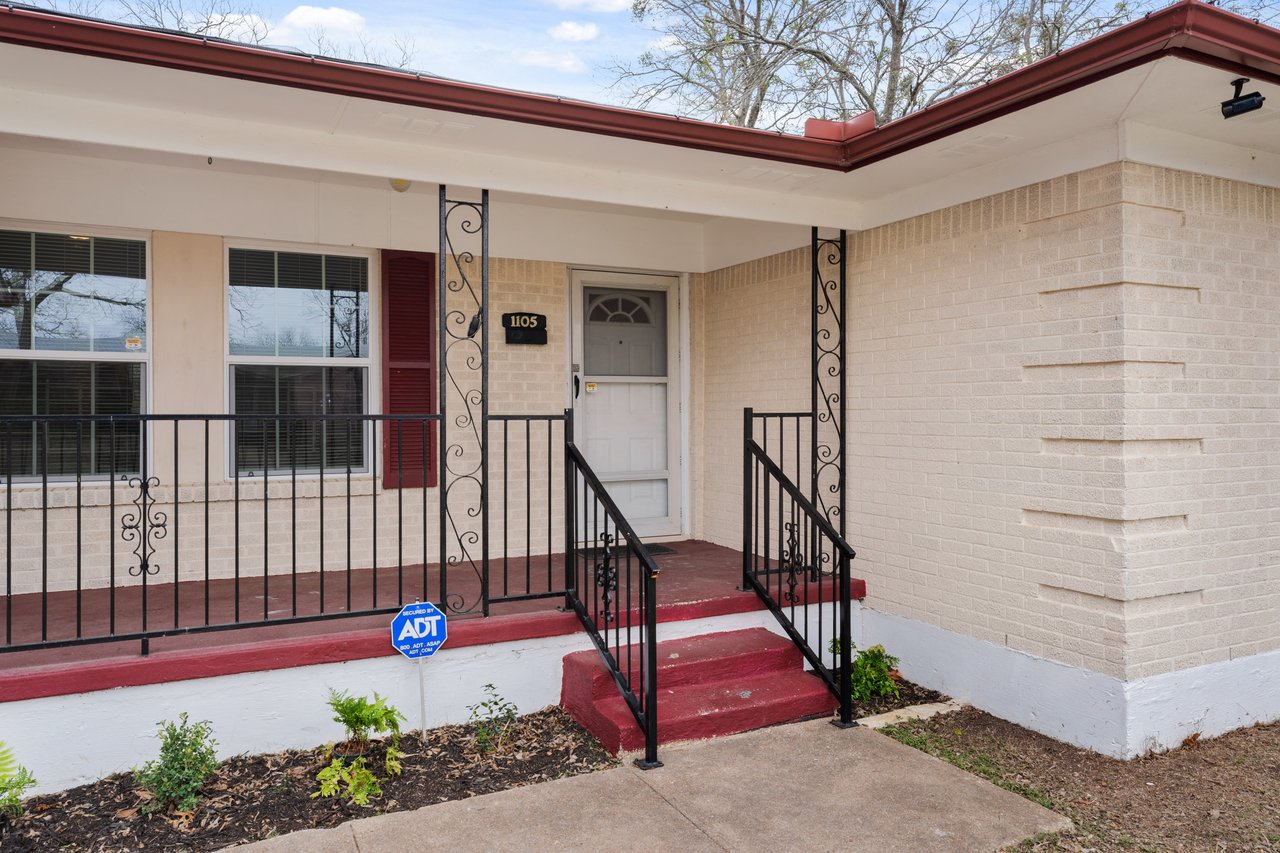
Leaving Fort Hood? Discover Whether Selling or Renting Your Killeen Home Makes Sense—and Why Temple, Belton, or Salado Could Be Your Next Move.
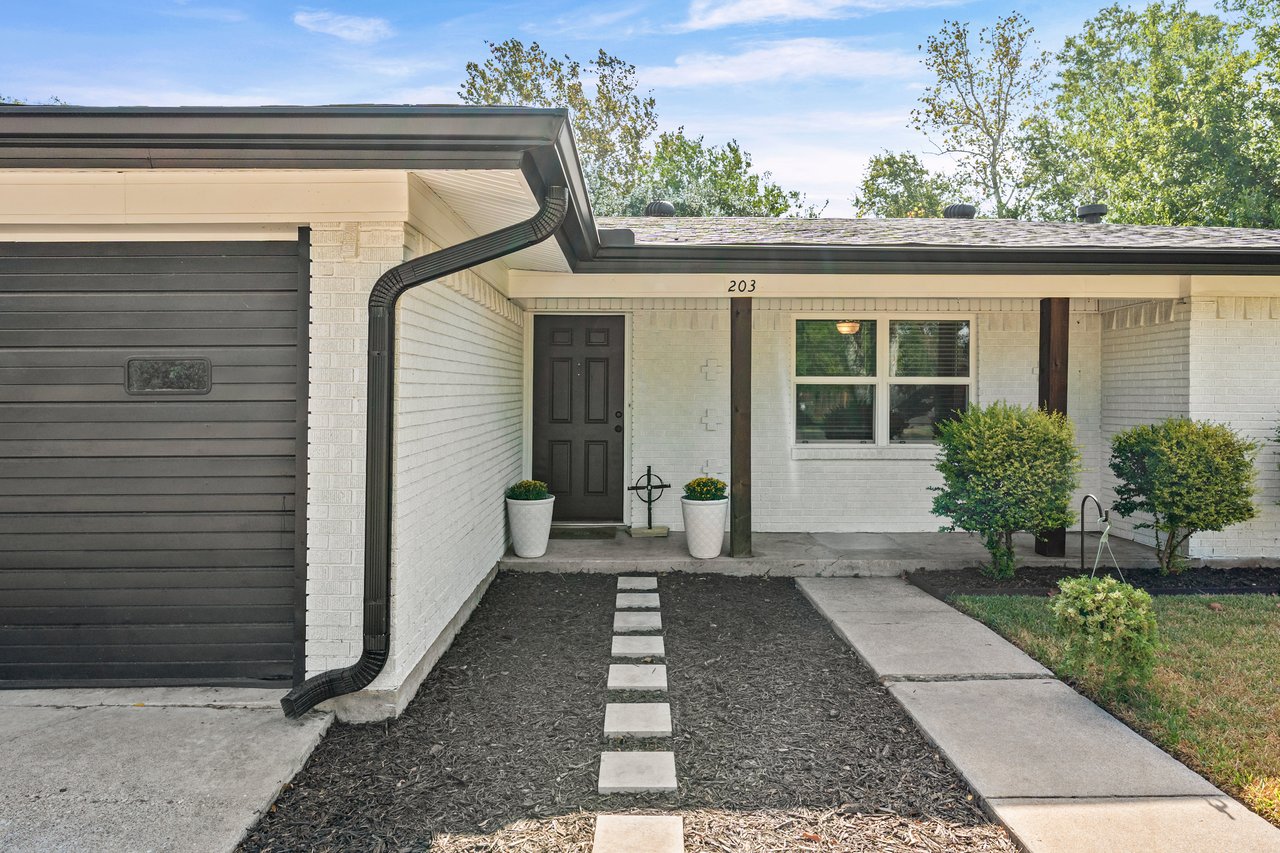
How Seller Concessions, Rate Buydowns, ARMs, and Builder Incentives Can Help You Buy in Today’s Market

What Temple, Belton & Salado Homebuyers Need to Know Before Buying Acreage or Luxury Property

How Temple and Belton First-Time Buyers Can Compare Down Payment Assistance, Texas Homebuyer Programs, and Builder Rate Buydowns

What Out-of-State and Luxury Buyers Need to Know About ETJs, Septic, Water, Floodplains, Road Access, Restrictions, and Future Development
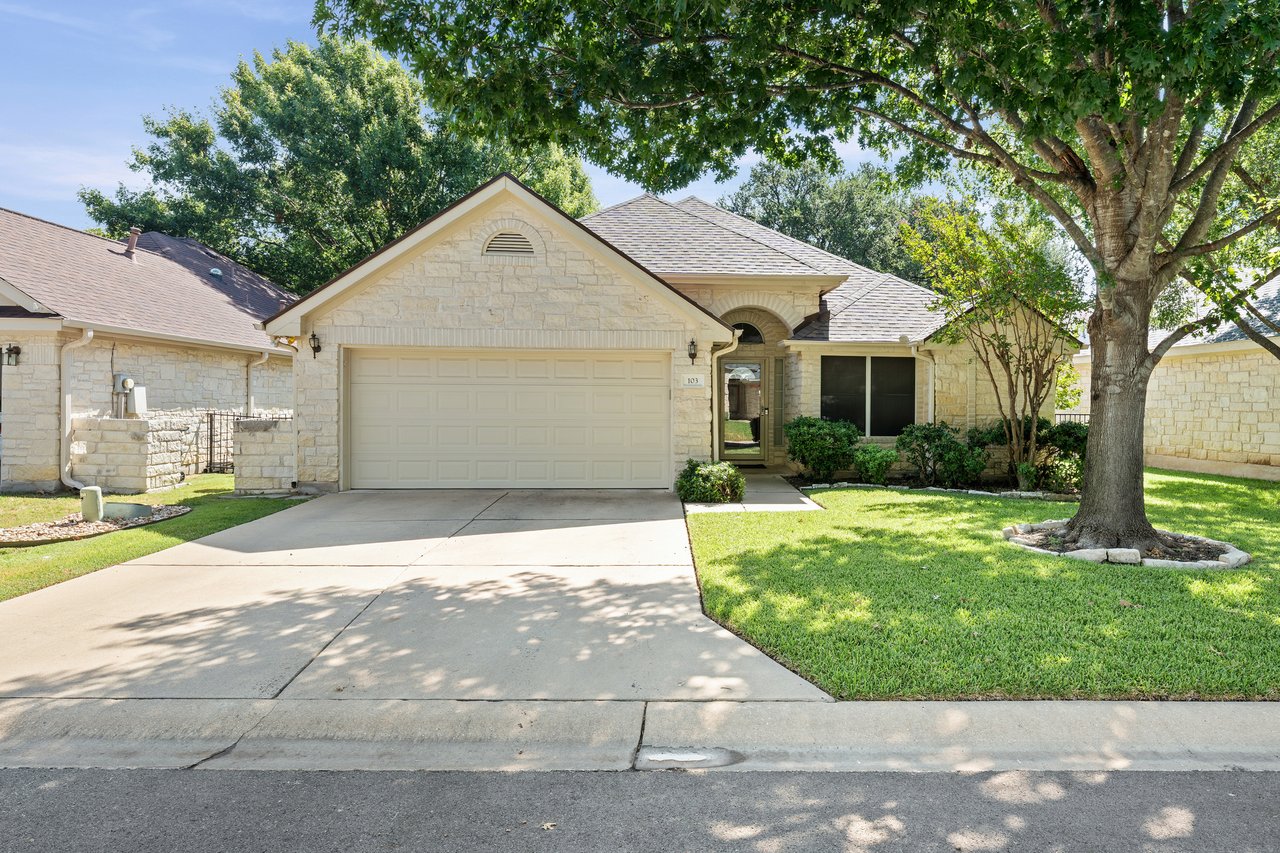
How to Compare Builder Rate Buydowns, Closing Costs, Monthly Payments, and Resale Homes Before You Buy

What to Do When Your Temple or Belton Luxury Home Has Been on the Market for 60+ Days
Through my business, my involvement in our community, and my dedication to my clients, I have developed a great network of friends and business associates. If you need something, I’ll be able to help….and that’s what I love doing!

Ali L. Thompson
McKenna Taggart
Address
6270 W ADAMS AVE
TEMPLE TX 76502