
Will the Oncor Big Hill Transmission Line Affect Bell County Property Values? What Temple, Belton & Salado Buyers Should Know
The proposed Bell County East–Big Hill 765-kV transmission line could affect certain properties near Temple, Belton, Salado and elsewhere along its potential routes, but its final route has not been approved. Buyers should verify a property's proximity to proposed route segments, existing or potential easements, and current PUC status before purchasing acreage or a luxury home.
If you’re relocating to Central Texas because you want more land, privacy, views, or room between you and your neighbors, there’s a new question worth adding to your home-buying checklist:
Could the proposed Oncor/LCRA Big Hill transmission line affect the property you’re considering?
This is especially relevant if you’re looking at acreage, ranchettes, luxury homes, or undeveloped land around Temple, Belton, Salado and other parts of Bell County.
The Bell County East–Big Hill project has generated significant local attention, and as of October 2026, the project remains under regulatory review.
That does not mean you should panic or automatically rule out a property near a proposed route.
It does mean you should know what to investigate before making a major real estate decision.
As relocation specialists with the Home in Texas Team, we believe this is exactly the kind of hyperlocal issue you should understand when moving to an unfamiliar area—particularly when you’re shopping for land or a higher-end property.
Oncor and LCRA Transmission Services Corporation are proposing a new 765-kilovolt transmission line connecting the Bell County East Switch southeast of Temple with the Big Hill Substation near Eldorado in Schleicher County.
According to Oncor's Bell County East–Big Hill project information, the Bell County East Switch is approximately 5.5 miles southeast of Temple.
Oncor and LCRA filed their application with the Public Utility Commission of Texas on March 26, 2026, under PUC Docket No. 59475.
According to LCRA's September 2026 project update, the application contains 122 alternative routes ranging from approximately 214 to 244 miles.
That's an important distinction for homeowners and buyers:
A proposed route on a map is not necessarily the route that will ultimately be built.
LCRA specifically states that the numerical order of the proposed routes does not indicate a preference and that all filed routes and route links remain available for consideration by the PUC.
If approved, the project is currently scheduled to be energized by the end of 2030.
The project remains a developing issue.
On October 5, 2026, KWTX reported that Bell County landowners and lawmakers were continuing to voice concerns while awaiting a final decision from the Public Utility Commission.
Earlier reporting also described an administrative-law-judge recommendation against approval of the application as filed.
That is a recommendation, however—not something buyers should confuse with a final determination from the PUC.
Meanwhile, Oncor and LCRA maintain that additional transmission capacity is needed to address Texas' growing electricity demand and reliability needs.
So if you're researching a property today, don't rely on an old Facebook post, neighborhood rumor, screenshot of a map, or even an older news story.
Check the current project status and current maps.
This is probably the biggest real estate question surrounding the project—and also the question that requires the most caution.
There isn't a responsible way to tell you that every property near a transmission line will lose a certain percentage of its value.
Real estate doesn't work that way.
A property's marketability can depend on numerous factors, including:
Those considerations can become especially important in the luxury and acreage market.
Someone buying 20 acres primarily for agricultural use may evaluate infrastructure differently than a luxury buyer paying a premium for an unobstructed Hill Country-style view, privacy, and outdoor entertaining space.
That's why we would not recommend using a blanket statement such as "power lines lower property values by X%."
Instead, evaluate the specific property.
When you're purchasing a conventional home on a smaller residential lot, there may be relatively few unknowns about how the land can be used.
Acreage is different.
You may be paying a premium because you envision:
A utility easement or major transmission corridor can become relevant to those plans.
Texas law governing certain electric transmission-line right-of-way easements requires easement instruments to address matters including the location and maximum width of the easement, access, surface uses, restoration and other terms.
That makes the actual documents affecting a property far more useful than assumptions based solely on what you can see during a showing.
The proposed project isn't a typical neighborhood power line.
It is a 765-kV transmission project.
Oncor says the project would use single-circuit lines supported by self-supporting steel lattice towers.
KWTX reported in August 2026 that Oncor clarified a typical 765-kV tower would be approximately 155 to 160 feet tall.
That's one reason acreage owners and prospective buyers are paying attention.
At the same time, Oncor argues that 765-kV infrastructure can transmit substantially more electricity over long distances and may reduce the amount of lower-voltage infrastructure that otherwise would be required.
You can read Oncor's explanation of 765-kV transmission for the utility's perspective on the technology and project need.
If you're relocating to Bell County and considering a property that could be near one of the proposed route segments, your due diligence should go beyond looking at the house.
Oncor provides both project maps and an interactive map showing proposed transmission route links and nearby parcels.
Don't assume "near Salado" or "southeast of Temple" automatically means a particular property is affected.
Check the actual parcel.
Pay attention to recorded easements, rights-of-way, restrictions and other exceptions affecting the property.
For an acreage or luxury purchase, questions about how an easement affects your intended use may also warrant review by a qualified Texas real estate attorney.
A current survey can help you understand where existing improvements and easements sit relative to the property's boundaries.
For large acreage purchases, what looks like a small line on a listing map can represent something much more significant on the ground.
This is particularly important with the Big Hill project because the regulatory process is ongoing.
Seeing no transmission tower on the property today doesn't answer the entire question.
Even if you're comfortable with nearby transmission infrastructure, ask yourself:
Would it change who might want to buy this property from me someday?
That's particularly relevant when you're buying a luxury property where privacy, views and aesthetics contribute significantly to the home's appeal.
It doesn't automatically make the property a bad purchase.
It simply becomes part of the property's overall value proposition.
This is where having a relocation specialist who understands Temple and Belton can make a meaningful difference.
When you're buying from another state, you don't necessarily know which local developments are routine and which deserve additional investigation.
You might find a beautiful five-acre property online and see:
What you can't always see in listing photos is a proposed infrastructure project, future roadway plan, easement issue, or nearby development.
That's why our approach with relocation buyers isn't simply, "Here's a beautiful house."
It's also:
What should you know about this location before you own it?
Ali Thompson and McKenna Taggart of the Home in Texas Team are a mother-daughter run real estate team serving buyers and sellers in Temple, Belton and the surrounding Central Texas market.
Whether you're looking for the best Realtor in Temple, Texas, the best Realtor in Belton, Texas, or a luxury Realtor in Temple, Texas, the bigger question is whether your agent understands the local issues that can affect the property you're considering.
For acreage and luxury buyers, the Big Hill project is currently one of those issues.
No.
It means you should make an informed decision.
There can be a big difference between:
"I knew about this, reviewed the information, understood the property, and decided I'm comfortable with it."
and:
"Nobody mentioned this before I bought the house."
Your tolerance may also be different from another buyer's.
If your goal is maximum privacy and unobstructed views, proximity to major transmission infrastructure may matter a great deal.
If your priority is acreage, location, agricultural use or a particular home, you may weigh it differently.
There isn't one correct answer for every buyer.
If you're considering selling acreage or a luxury property around Temple, Belton or Salado, this issue can work in the opposite direction.
Buyers may discover the proposed project while researching your property.
Being prepared for those questions is better than being caught off guard.
That may mean gathering your:
It does not mean making predictions about what the PUC will decide or guaranteeing that a particular proposed route will or won't be selected.
When the underlying project is still under regulatory review, accuracy matters.
Not based on the proposal alone. First determine whether your property is actually associated with a proposed route, whether an existing easement affects it, and what the current PUC status is. Then you can evaluate the property's individual circumstances and your goals.
Possibly for some buyers, particularly if views, privacy or usable acreage are major selling points, but the effect isn't identical for every property. Avoid assuming a fixed percentage loss in value without property-specific evidence.
Gather your survey, title documents and information about existing easements, and verify the latest official project maps and regulatory status. That helps you and your listing agent answer buyer questions with current information instead of speculation.
If you're considering acreage or a luxury home near Temple, Belton, Salado or elsewhere in Bell County, the proposed Bell County East–Big Hill transmission project belongs on your due-diligence radar.
The project is still under regulatory review, and proposed routes should not be treated as a final route.
But if you're spending hundreds of thousands—or potentially millions—on a Central Texas property, "Is there anything planned around this property that I should know about?" is always worth asking.
That's particularly true when you're relocating from out of state and don't have years of local knowledge to draw from.
The Home in Texas Team helps relocation buyers, first-time homebuyers, luxury buyers and sellers understand not only the homes they're considering, but the Temple and Belton communities surrounding them.
If you're planning a move to Central Texas and want help evaluating homes, acreage, neighborhoods and local factors that may not be obvious in an online listing, connect with Ali Thompson and McKenna Taggart of the Home in Texas Team.
Ali Thompson & McKenna Taggart
Home in Texas Team
Mother-Daughter Real Estate Team | Temple & Belton, Texas
Relocation Specialists | Luxury Home Specialists | First-Time Homebuyer Specialists
What Temple, Belton & Salado Homebuyers Need to Know Before Buying Acreage or Luxury Property

How Temple and Belton First-Time Buyers Can Compare Down Payment Assistance, Texas Homebuyer Programs, and Builder Rate Buydowns
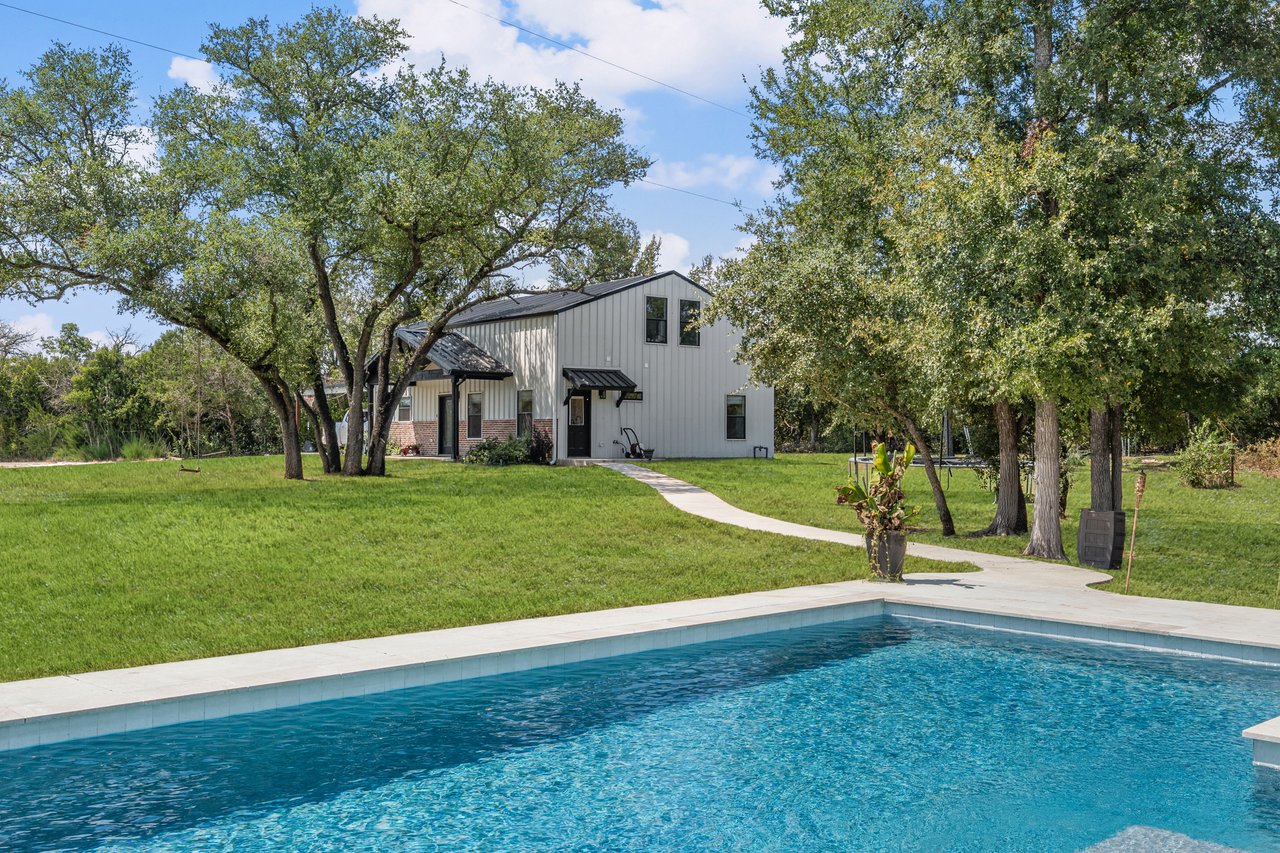
What Out-of-State and Luxury Buyers Need to Know About ETJs, Septic, Water, Floodplains, Road Access, Restrictions, and Future Development
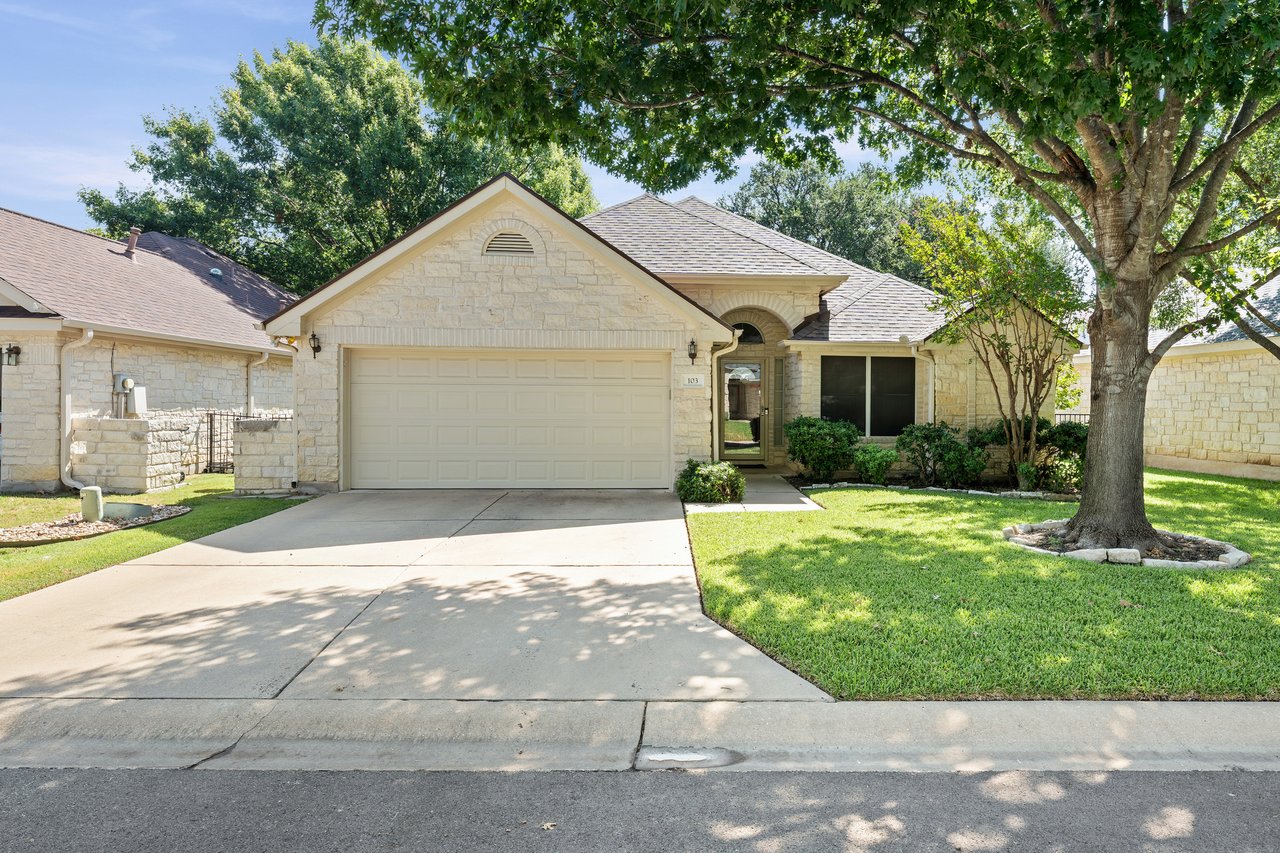
How to Compare Builder Rate Buydowns, Closing Costs, Monthly Payments, and Resale Homes Before You Buy

What to Do When Your Temple or Belton Luxury Home Has Been on the Market for 60+ Days

Why first-time buyers searching north of Austin should compare Jarrell with Temple and Belton before choosing a new-construction community.

Why Central Texas buyers looking at Georgetown should consider Temple for new construction, purchasing power, amenities, and everyday lifestyle.
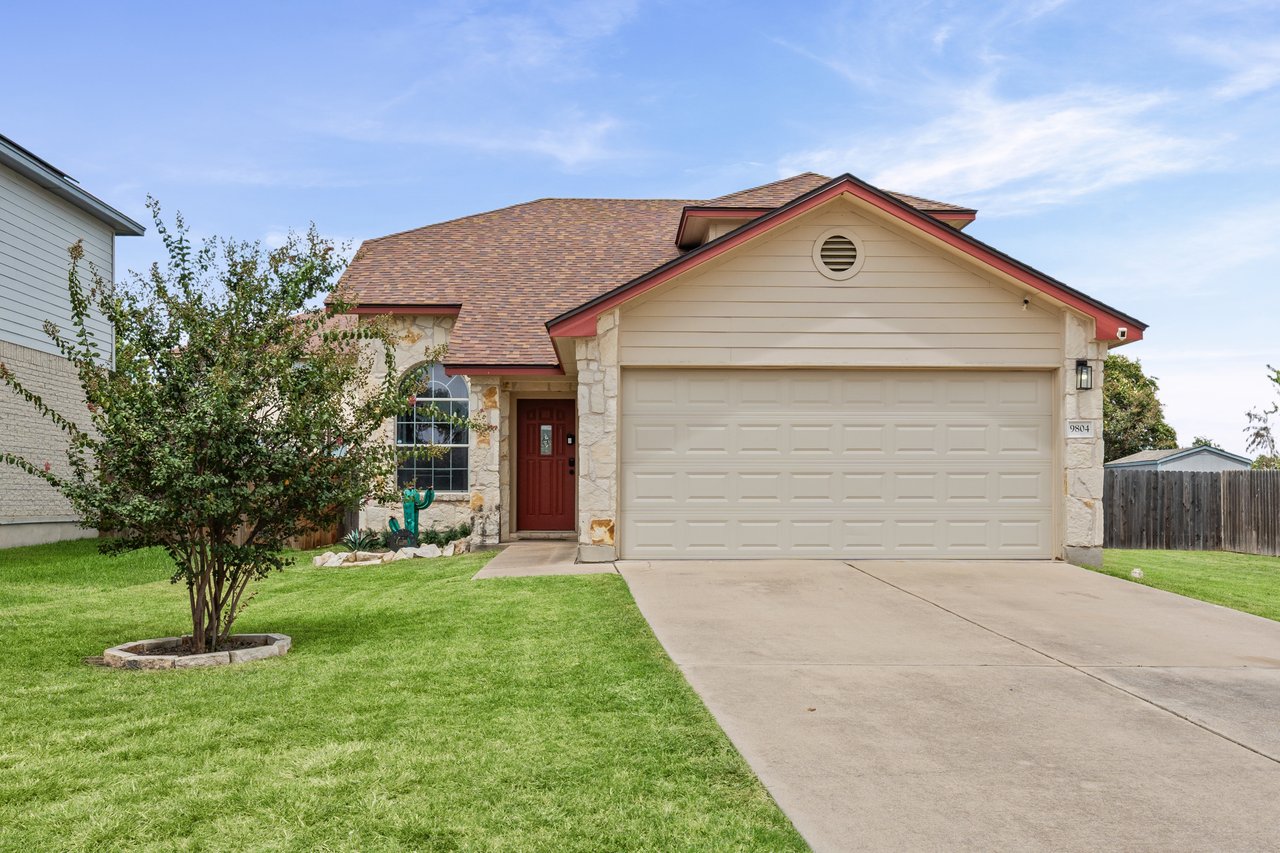
A practical comparison of Temple, Belton, Killeen, Harker Heights and Copperas Cove for buyers relocating to Fort Hood.

Explore Deerfield and discover what custom-home living can look like for buyers relocating to Temple, TX.
Through my business, my involvement in our community, and my dedication to my clients, I have developed a great network of friends and business associates. If you need something, I’ll be able to help….and that’s what I love doing!

Ali L. Thompson
McKenna Taggart
Address
6270 W ADAMS AVE
TEMPLE TX 76502