
Is down payment assistance or a builder rate buydown better for a first-time homebuyer in Temple or Belton, Texas?
The better option depends on your cash to close, mortgage rate, eligibility and how long you plan to own the home. Bell County buyers should compare TSAHC, My First Texas Home and builder incentives side by side—not just choose the option advertising the most assistance.
If you're trying to buy your first home in Temple or Belton, Texas, you may be hearing several very different messages.
One lender tells you about down payment assistance.
A builder advertises a special mortgage rate.
Someone else tells you that you can get thousands of dollars toward closing.
So which one actually saves you the most money?
That's where first-time homebuyers need to be careful.
The program offering the most money upfront isn't automatically the option with the lowest monthly payment. And the lowest advertised interest rate isn't automatically the least expensive way to buy the home.
At the Home in Texas Team, we're a mother-daughter run real estate team—Ali Thompson and McKenna Taggart—helping first-time buyers navigate Temple, Belton and the surrounding Central Texas market.
One of the most useful things you can do before looking at homes is compare your financing choices based on the same purchase price.
Here's how.
Mortgage rates are making every percentage point matter.
Freddie Mac reported that the average U.S. 30-year fixed mortgage rate reached 7.03% on September 24, 2026, compared with 6.95% the previous week and 6.30% one year earlier.
That doesn't mean 7.03% is the rate you will receive. Your actual rate depends on your loan program, lender, credit profile, points and other factors.
But it illustrates why first-time buyers should look beyond the purchase price.
When rates are around this level, your financing strategy can materially change your monthly payment and cash needed at closing.
That brings us to three options Texas buyers may encounter:
They aren't interchangeable.
The Texas State Affordable Housing Corporation (TSAHC) offers homebuyer programs that can provide qualified borrowers with a mortgage and assistance toward their down payment and/or closing costs.
TSAHC currently says its down-payment-assistance options can provide up to 5% of the loan amount, subject to program requirements.
Its two primary programs include Home Sweet Texas Home Loan Program, aimed at qualifying low- and moderate-income Texas homebuyers, and Homes for Texas Heroes, which serves eligible teachers, firefighters, EMS personnel, police and corrections officers, and veterans.
Importantly for buyers who previously assumed they earned too much, TSAHC increased its program income limits in 2026.
The organization says Home Sweet Texas income limits increased to 150% of area median family income, while Homes for Texas Heroes increased to 170%, although actual limits vary by location and program.
That means it may be worth checking eligibility even if you've previously dismissed down payment assistance.
Imagine you can afford the monthly payment but saving enough for the down payment and closing costs is keeping you from buying.
Assistance could potentially solve a different problem than a rate buydown.
Instead of asking:
"Which option has the lowest rate?"
Ask:
"What is preventing me from buying?"
If the answer is cash to close, assistance deserves serious consideration.
If the answer is monthly affordability, a different financing structure could potentially be more important.
Another program Texas first-time buyers should know about is My First Texas Home, administered through the Texas Department of Housing and Community Affairs (TDHCA).
TDHCA describes My First Texas Home as offering eligible first-time homebuyers a 30-year mortgage plus down payment assistance.
Current program information lists qualifications including income and purchase-price limits, approved participating lenders and required homebuyer education. Certain exceptions to the first-time-homebuyer requirement can apply to qualified veterans and properties in targeted areas.
And here's an important point:
"First-time homebuyer" doesn't necessarily mean you've never owned a house in your life.
Under the current My First Texas Home program matrix, the general first-time-buyer definition looks at whether the borrower has owned and occupied a primary residence during the preceding three years, subject to program rules and exceptions.
So if you owned years ago, moved, rented and are now buying in Temple or Belton, don't automatically assume you're ineligible.
Have an approved lender evaluate your situation.
TDHCA Texas Homebuyer Programs
Now things get interesting.
Temple and Belton buyers looking at new construction may encounter builder incentives.
Depending on the builder, community, home, lender and timing, incentives might include things such as:
These offers change frequently.
And that's why you shouldn't compare a builder's advertised rate with a down payment assistance program based on the headline alone.
You need the actual numbers.
These aren't the same thing.
With a temporary buydown, the borrower's effective payment is reduced for an initial period before stepping up according to the loan's terms.
With a permanent buydown, funds are generally used to obtain a lower note rate for the life of the mortgage.
That distinction can matter enormously.
A low first-year payment may sound fantastic, but you need to understand what the payment becomes afterward.
Suppose you're considering a home around Temple or Belton.
Instead of asking three lenders or builders:
"What's your rate?"
Ask for enough information to build a side-by-side comparison.
For each financing option, look at:
Question | Why It Matters |
|---|---|
Purchase price | Builder incentives may be attached to particular homes or prices |
Loan amount | Determines principal-and-interest payment |
Interest rate | Directly affects monthly borrowing cost |
APR | Helps show certain financing costs beyond the note rate |
Down payment | Determines how much cash you contribute |
Assistance received | Helps reduce upfront cash requirements |
Closing costs | Can materially change cash needed |
Points/lender fees | A lower rate may cost more upfront |
Mortgage insurance | Can affect monthly payment |
Property taxes | Significant part of the Texas housing payment |
Homeowners insurance | Another important monthly/annual cost |
HOA | Applies in many communities |
Second lien/repayment terms | Assistance isn't necessarily "free money" |
Payment after temporary buydown ends | Critical if the advertised payment is temporary |
Total cash to close | Tells you what you actually need to bring |
Estimated total monthly housing payment | Helps determine real affordability |
This is where the comparison becomes useful.
Let's use a simplified hypothetical.
You find two $300,000 homes.
Home A is an existing home where your lender says you may qualify for down payment assistance.
Home B is new construction with a builder financing incentive.
The assistance on Home A might dramatically reduce how much cash you need to close.
Meanwhile, Home B's incentive could potentially produce a lower monthly principal-and-interest payment.
Which is better?
There isn't enough information yet.
If you have strong income but very little saved, reducing cash to close might be the difference between buying now and waiting another year.
If you already have sufficient savings but your monthly budget is tight, lowering the mortgage payment could be more valuable.
And if obtaining a particular benefit requires accepting a higher purchase price, different loan structure, second lien or additional fees, that needs to be part of the calculation too.
This is why first-time homebuyers should compare total scenarios—not incentives.
First-time buyers often focus so heavily on getting the keys that they forget something important:
You still need money after you buy the house.
Draining your savings account just to close can leave you vulnerable when normal homeownership expenses arrive.
Think about:
If one financing option allows you to preserve several thousand dollars of savings while keeping the monthly payment manageable, that can be meaningful.
This is one reason a good first time homebuyer specialist should look at more than the sales price.
There's another Texas homebuyer tool worth asking your lender about: a Mortgage Credit Certificate (MCC).
An MCC is different from ordinary down payment assistance. For eligible buyers, it can provide a federal income-tax credit based on qualifying mortgage interest, subject to program requirements.
TSAHC announced implementation of a 2026 MCC program in September, and TDHCA also provides MCC information for eligible borrowers.
Because tax circumstances vary significantly, talk with the participating lender and an appropriate tax professional about how an MCC would apply to you.
Don't simply count a potential tax benefit as guaranteed monthly cash without understanding the rules.
Don't self-disqualify.
First-time buyers often assume assistance is only available if they have extremely low income or poor credit.
That's not necessarily true.
Program eligibility can depend on factors including:
TSAHC specifically increased income limits in 2026, potentially expanding eligibility for Texas buyers.
The right move is to have a participating lender determine whether you qualify rather than relying on something you read on social media—or assuming your income is too high.
Before touring 20 homes, get the financing comparison started.
A useful process looks like this:
1. Determine a comfortable total monthly housing budget.
Not the maximum amount someone says you can qualify for.
The amount you want to pay.
2. Talk with a lender familiar with Texas homebuyer-assistance programs.
Ask specifically about TSAHC and TDHCA options for which you may qualify.
3. Ask for estimated cash-to-close and monthly-payment figures.
Those numbers tell you more than the advertised rate alone.
4. If you're considering new construction, compare the builder incentive separately.
Don't assume the builder's preferred-lender offer automatically wins—or loses.
Get the actual loan estimate and terms.
5. Compare homes and financing together.
A $295,000 resale home with one financing structure and a $305,000 new construction home with a builder incentive may produce very different upfront and monthly costs.
That's where your lender and real estate agent should be working in parallel.
The biggest takeaway is simple:
You don't necessarily need to choose the program offering the largest dollar amount. You need to understand which financing structure best fits your financial situation.
For one Bell County buyer, that may mean minimizing cash needed at closing.
For another, it may mean prioritizing the monthly payment.
Someone else may value keeping more emergency savings after closing.
And another buyer may discover that a builder incentive changes which homes fit their budget.
Those are four different situations.
They shouldn't automatically produce the same answer.
It depends on the program and your eligibility. TSAHC currently advertises assistance of up to 5% of the loan amount through its homebuyer programs, while TDHCA's programs also offer down payment and closing-cost assistance. Program terms and availability can change, so confirm current options with an approved participating lender.
Not necessarily. Depending on the mortgage program and your qualifications, buyers may have options requiring substantially less than 20% down. Down payment assistance may also be available to eligible borrowers. Your lender can determine which programs fit your financial profile.
Compare both. Ask for the estimated cash to close, note rate, APR, principal-and-interest payment, mortgage insurance, assistance or incentive terms, and any second-lien or repayment requirements. If a rate is temporarily bought down, also look at the payment after the temporary period ends.
You don't need to understand every Texas homebuyer program before you start.
You need the right people helping you ask the right questions.
Ali Thompson and McKenna Taggart of the Home in Texas Team are a mother-daughter run real estate team helping first-time homebuyers navigate Temple, Belton and surrounding Central Texas communities.
If you've been searching for a first time homebuyer specialist, best realtor in Temple Texas, or best realtor in Belton Texas, our goal isn't simply to send you listings.
It's to help you understand what your options mean in the real world.
Thinking about buying your first home? Contact the Home in Texas Team and tell us your approximate price range and what matters most to you: keeping your cash to close low, lowering your monthly payment, or both. We'll help you identify the questions to take to a participating lender and then build your home search around a budget that makes sense for you.
Ali Thompson & McKenna Taggart
Home in Texas Team | Temple & Belton, Texas
Mother-Daughter Real Estate Team | First-Time Homebuyer & Relocation Specialists
This article is for general educational purposes and is not lending, tax or financial advice. Mortgage rates, builder incentives and homebuyer-assistance programs can change, and eligibility varies by borrower. Obtain current terms and personalized estimates from qualified participating lenders and consult appropriate financial or tax professionals when needed.
How Temple and Belton First-Time Buyers Can Compare Down Payment Assistance, Texas Homebuyer Programs, and Builder Rate Buydowns
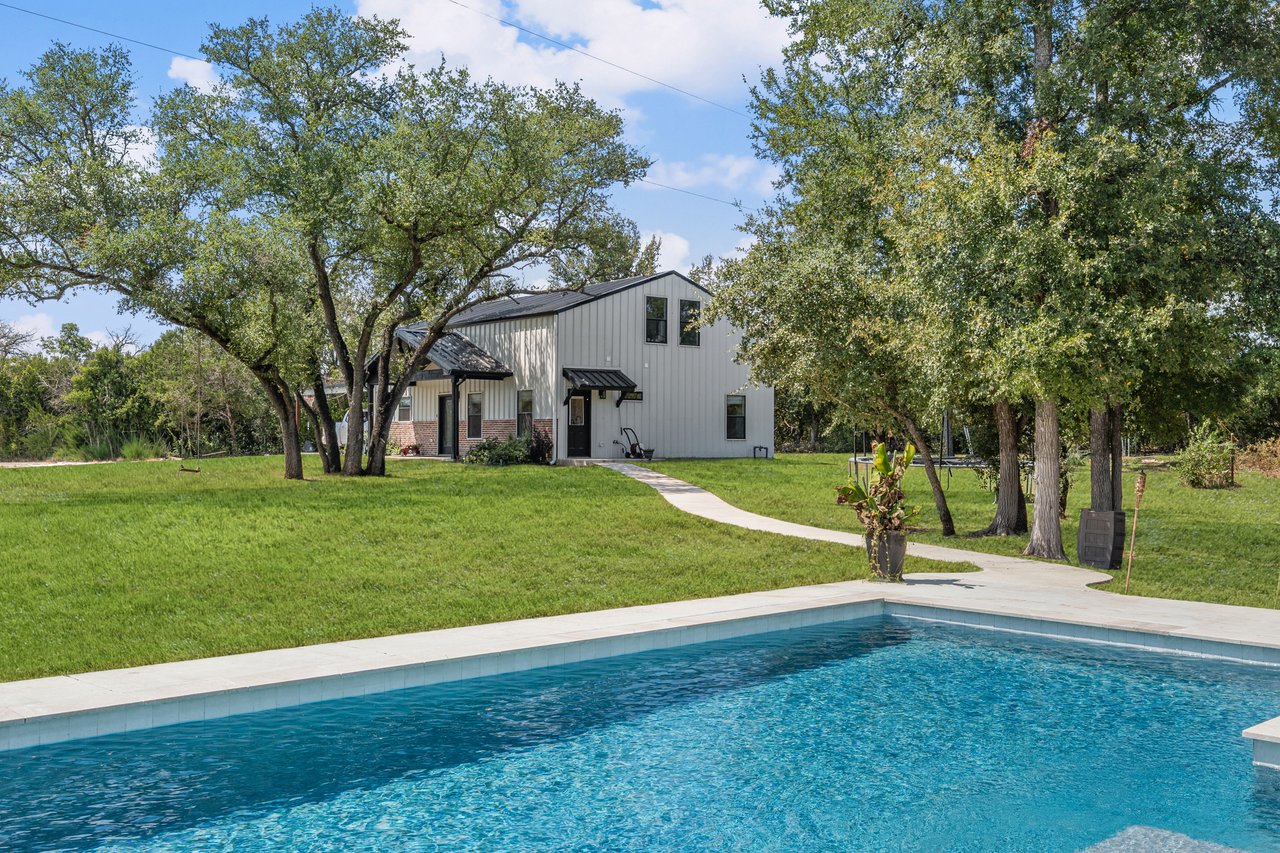
What Out-of-State and Luxury Buyers Need to Know About ETJs, Septic, Water, Floodplains, Road Access, Restrictions, and Future Development
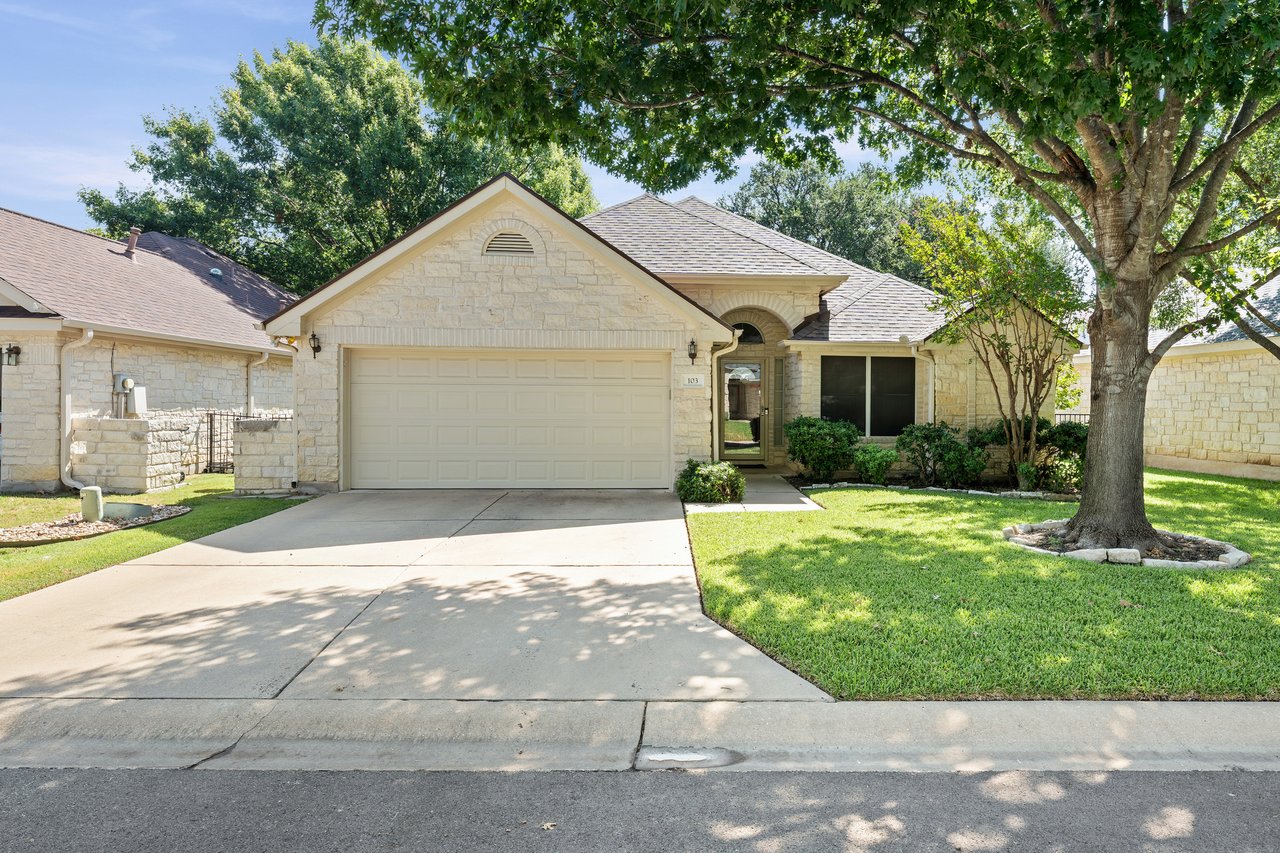
How to Compare Builder Rate Buydowns, Closing Costs, Monthly Payments, and Resale Homes Before You Buy

What to Do When Your Temple or Belton Luxury Home Has Been on the Market for 60+ Days

Why first-time buyers searching north of Austin should compare Jarrell with Temple and Belton before choosing a new-construction community.

Why Central Texas buyers looking at Georgetown should consider Temple for new construction, purchasing power, amenities, and everyday lifestyle.
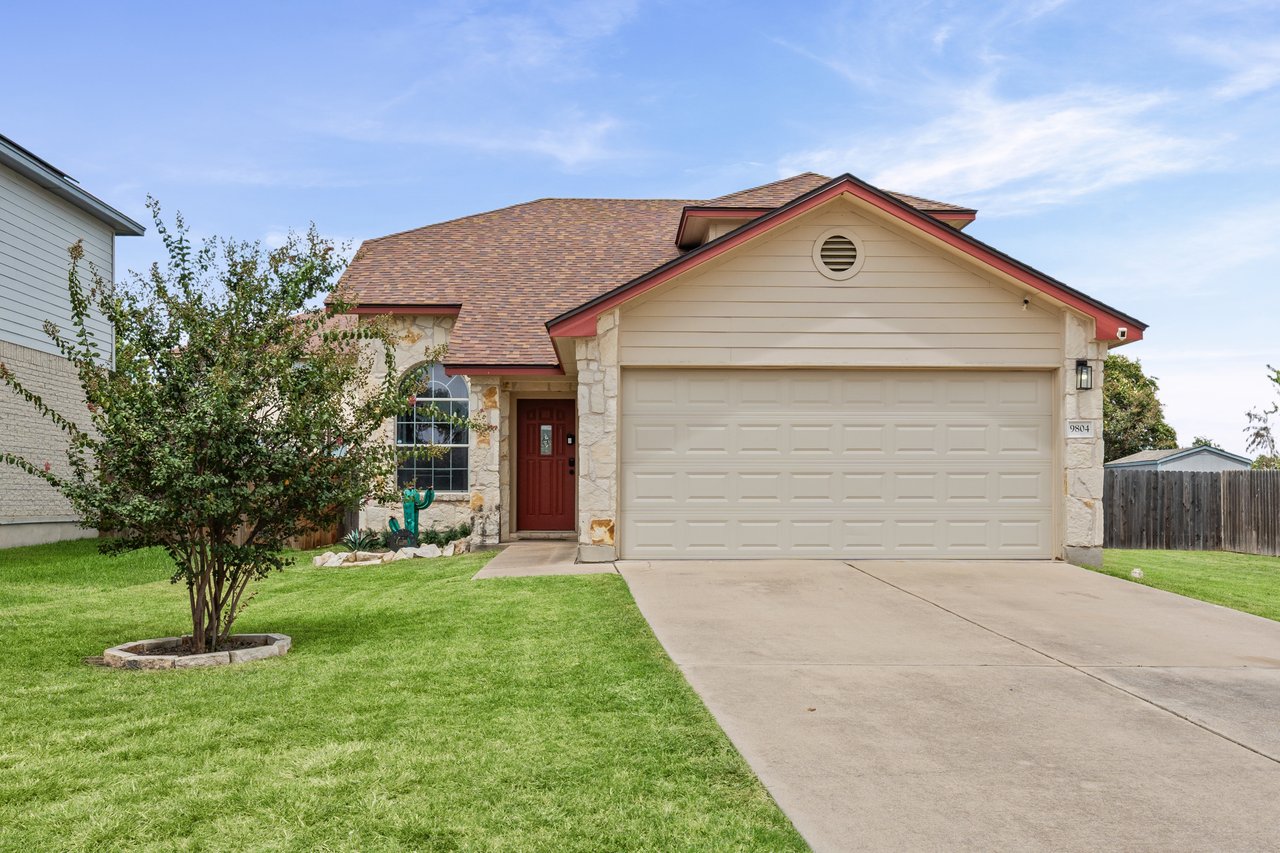
A practical comparison of Temple, Belton, Killeen, Harker Heights and Copperas Cove for buyers relocating to Fort Hood.

Explore Deerfield and discover what custom-home living can look like for buyers relocating to Temple, TX.

Thinking about living in Temple or Belton while working in Austin? Compare home prices, commute times, lifestyle, and the tradeoffs versus Georgetown, Round Rock, and … Read more
Through my business, my involvement in our community, and my dedication to my clients, I have developed a great network of friends and business associates. If you need something, I’ll be able to help….and that’s what I love doing!

Ali L. Thompson
McKenna Taggart
Address
6270 W ADAMS AVE
TEMPLE TX 76502