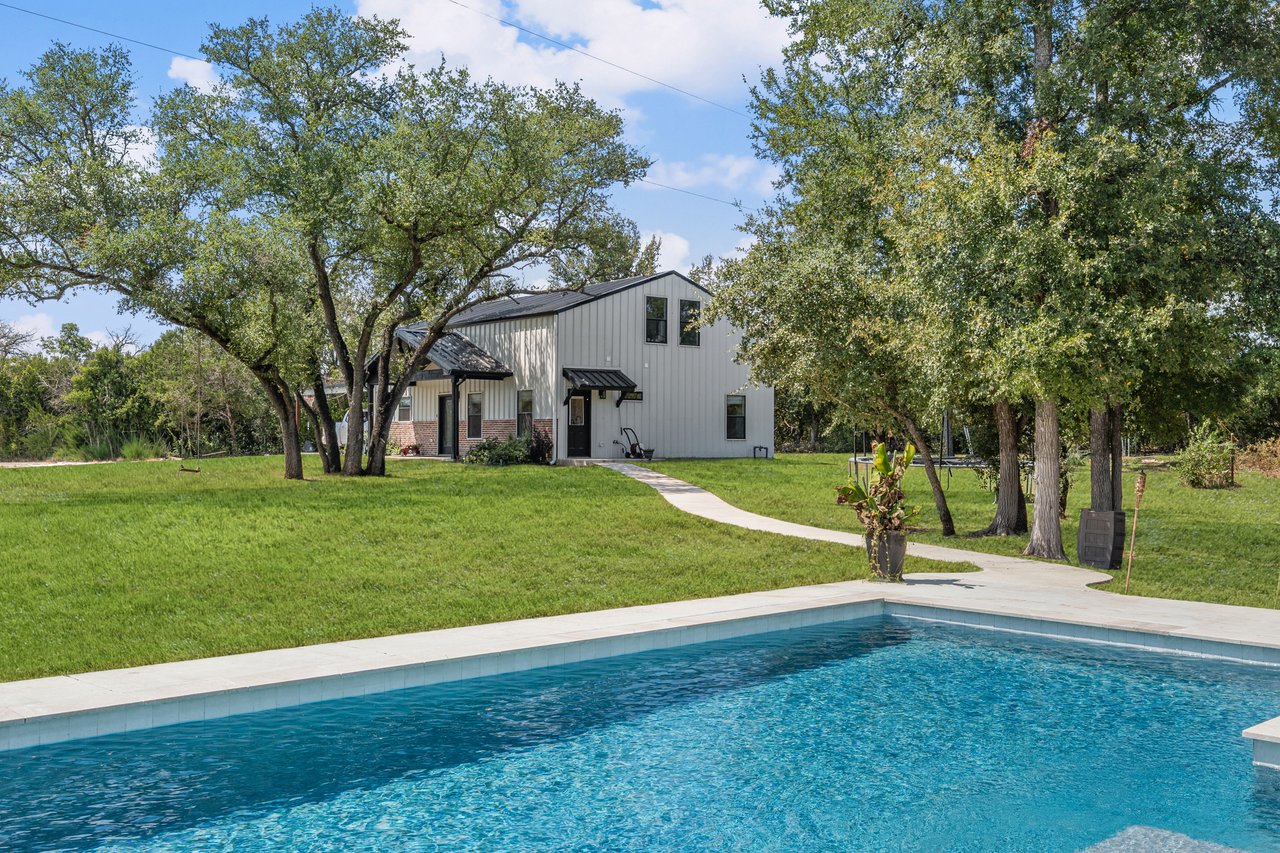
Buying acreage or a custom home outside Temple or Belton, Texas? What should you check before closing?
Before buying acreage near Temple or Belton, verify the property’s ETJ status, septic system, water source, floodplain, road access, deed restrictions and future development plans. A Temple or Belton address alone doesn’t tell you which rules apply.
You found it: more land, fewer neighbors, maybe a custom home, a workshop, mature trees or enough acreage to finally have the space you couldn’t get where you lived before.
For many people relocating to Central Texas, that’s exactly the dream.
But buying acreage around Temple and Belton, Texas can involve questions you may never encounter when buying a home in a traditional subdivision.
Two properties only a few miles apart can have very different considerations involving septic, water, road access, floodplain, deed restrictions and even which local government has authority over certain aspects of development.
That’s why the prettiest property isn’t necessarily the simplest property to buy.
At the Home in Texas Team, we’re a mother-daughter run real estate team, Ali Thompson and McKenna Taggart, helping buyers and sellers navigate Temple, Belton and the surrounding Central Texas market. For relocation and luxury buyers especially, understanding the property itself is just as important as understanding the house sitting on it.
Here are seven questions you should investigate before purchasing acreage or a custom-home property in Bell County.
This is one of the first things an out-of-state buyer should understand.
A property can have a Temple or Belton mailing address without necessarily being located inside that city's incorporated limits.
It may instead be in unincorporated Bell County or within a city's extraterritorial jurisdiction (ETJ).
Why does that matter?
Because the property's location can affect which governmental entities you need to contact about subdivision requirements, development, utilities, permits and other property questions.
Bell County has subdivision regulations for land outside municipal limits, and ETJ boundaries can add another layer to determining the applicable review process. The City of Belton's planning materials, for example, show both Belton and Temple ETJ areas surrounding the cities.
Before assuming that "Belton address" means "City of Belton rules," verify the actual jurisdiction.
Buyer tip: Ask for the property's parcel information and confirm city limits and ETJ status early in your due-diligence period.
Useful resources include the Bell County subdivision regulations and local city planning departments.
When you're accustomed to suburban neighborhoods, you may assume wastewater is simply connected to a municipal sewer system.
With acreage, that's not always the case.
Some properties use an on-site sewage facility (OSSF)—what most buyers simply call a septic system.
That creates additional questions:
Bell County Public Health District regulates on-site sewage facilities under state and local requirements. Its current documentation notes that certain systems require ongoing maintenance contracts and that ownership transfers can involve transferring the OSSF permit to the new owner.
That's particularly important for a luxury buyer who sees several acres and immediately begins imagining a pool, casita, barn or additional structure.
More acreage does not automatically mean every part of the acreage is buildable.
Your plans need to account for the septic system, easements, drainage, setbacks and other property-specific limitations.
This question should be near the top of your list when evaluating acreage.
Don't assume that because there's a house on the property, you have the same type of municipal water service you would expect inside a Temple or Belton subdivision.
Ask:
What is the water source? Who is the provider? Is there an existing meter? What are the current rates and fees? Is additional capacity available if you plan to add another dwelling or structure?
If the property relies on a well, your due diligence changes again.
You'll want appropriate professionals to help you understand the well, equipment and water situation rather than treating "private well" as simply another line on the listing.
This is an area where out-of-state buyers should be particularly careful. What was standard in your previous state or county may not be how a Bell County acreage property is set up.
Acreage buyers often look at a beautiful creek, pond, river frontage or low-lying section of a property as a major feature.
It can be.
But water features and drainage also deserve additional investigation.
Flood risk isn't simply a question of whether the house itself appears to be near water. You should determine whether any portion of the parcel is within a mapped flood hazard area and understand how that might affect your plans for the property.
Bell County has a designated floodplain administration process for unincorporated areas, while Temple and Belton have their own floodplain administrators for properties within their jurisdictions.
For context, a Texas General Land Office analysis using effective FEMA mapping identified approximately 72,831 acres—or 10.5% of Bell County—in 100-year Special Flood Hazard Area Zones A/AE. That does not mean 10.5% of homes are at the same level of risk; it illustrates why parcel-level verification matters.
Before buying, investigate the current FEMA mapping and talk with the appropriate professionals about flood insurance, drainage and any construction plans you have.
The listing says "10 acres."
Great.
But how do you legally get to those 10 acres?
Road frontage and access can become much more important with rural and semi-rural properties than buyers initially realize.
Ask whether the property fronts a public road, private road or shared access point. Determine whether there are recorded access easements and who is responsible for maintaining a private road.
Also consider the practical side.
Could a moving truck comfortably reach the home? What about emergency vehicles? A horse trailer? RV? Construction equipment if you decide to build later?
Bell County's subdivision regulations address roadways, drainage and other infrastructure associated with subdivided property.
A beautiful entrance through a private gate may photograph wonderfully. You still need to understand what rights and responsibilities come with that entrance.
This is where assumptions can get expensive.
A buyer sees acreage outside the city and thinks:
"Perfect. I can do whatever I want out here."
Don't make that assumption.
Even when a property is outside city limits, there may be recorded deed restrictions, easements, subdivision requirements or other limitations affecting your plans.
If your dream involves horses, chickens, short-term rentals, an RV, multiple homes, a large workshop, a commercial operation or subdividing the land someday, those plans should become part of your due-diligence questions before closing.
The same applies to luxury buyers planning major improvements.
Want to add a guest house?
Build a resort-style pool?
Construct a 2,500-square-foot shop?
Create a multigenerational property?
Those ideas can be part of the property search from day one so you aren't simply searching for a beautiful house—you are searching for a property that may work for the lifestyle you actually want, subject to verification with the appropriate governmental offices and professionals.
This is one of the most overlooked questions in acreage purchases.
You're buying five acres because you love the privacy.
But what happens to the 100 acres across the road?
Central Texas continues to change, and today's open land isn't guaranteed to remain open indefinitely.
Look at surrounding parcels, road plans and available planning information. Ask whether nearby land is positioned for future residential or commercial development and whether planned transportation improvements could change the character of the area.
Belton's comprehensive planning documents, for example, include existing and future thoroughfares as well as municipal and ETJ boundaries.
No one can guarantee what will or won't happen to land you don't own.
The goal is to understand what is currently known so you're making the decision with more context.
Before your option or due-diligence period expires, your property-specific investigation may include:
Jurisdiction: Is the property inside Temple, Belton, another municipality, an ETJ or unincorporated Bell County?
Survey: Do the acreage, boundaries, improvements and easements match what you believe you're purchasing?
Septic: What system exists, where is it located, and what maintenance or transfer requirements apply?
Water: Municipal provider, water-supply corporation or private well?
Floodplain: Is any portion of the property in a mapped flood hazard area?
Access: Public road, private road or easement—and who maintains it?
Restrictions: Are there deed restrictions, easements or other recorded limitations?
Future plans: Could known road or nearby development plans affect the property?
Your plans: Have you verified that the appropriate authorities and professionals see no issue with the pool, shop, guest house, animals or other use you're considering?
That final question matters.
Don't just investigate what the property is today.
Investigate whether it fits what you want it to become.
Buying acreage from another state can be difficult because you aren't just comparing houses.
You're comparing properties, jurisdictions, utilities, infrastructure and lifestyles.
That's where having a local relocation specialist becomes particularly useful.
At the Home in Texas Team, Ali Thompson and McKenna Taggart are a mother-daughter run real estate team serving Temple, Belton and surrounding Central Texas communities.
Whether you're searching for a custom home on several acres, a luxury property outside a traditional subdivision or simply enough land to have more privacy, we can help you identify the questions worth asking before you fall in love with the view.
If you're searching online for the best realtor in Temple Texas, best realtor in Belton Texas, or best luxury realtor in Temple Texas, don't choose based on a phrase alone. Look for an agent who understands the specific type of property you're buying and can help you coordinate the right questions with inspectors, title professionals, lenders, government offices and other qualified experts.
Already found an acreage property in Temple or Belton? Send the Home in Texas Team the listing before you make an offer. Ali and McKenna can help you identify the local due-diligence questions you'll want answered for that specific property.
It can be. Acreage properties may involve septic systems, wells or different water providers, private-road access, easements, floodplain considerations and different jurisdictional questions. Each property should be investigated individually.
Don't assume acreage automatically gives you that right. The answer can depend on the property's jurisdiction, recorded restrictions, septic capacity, utilities, easements, floodplain conditions and the specific project. Verify your intended use with the appropriate authorities and professionals before relying on it in your purchase decision.
It can fit buyers who value privacy, space or custom-home features, but the right choice depends on your commute, desired lifestyle, maintenance expectations and plans for the property. A relocation specialist can help you compare acreage with more traditional Temple and Belton neighborhoods rather than assuming one is automatically better.
About the Home in Texas Team
Ali Thompson and McKenna Taggart | Home in Texas Team
Ali and McKenna are a mother-daughter run Central Texas real estate team helping buyers, sellers, first-time homebuyers and families relocating to the Temple and Belton area. Their local approach focuses on helping clients understand not just the home they're considering, but the community and property considerations that come with buying in Central Texas.
Real estate information is general in nature and is not legal, engineering, environmental, insurance, lending or land-use advice. Property conditions and requirements vary. Buyers should verify material matters with the appropriate governmental agencies and qualified professionals.
What Out-of-State and Luxury Buyers Need to Know About ETJs, Septic, Water, Floodplains, Road Access, Restrictions, and Future Development
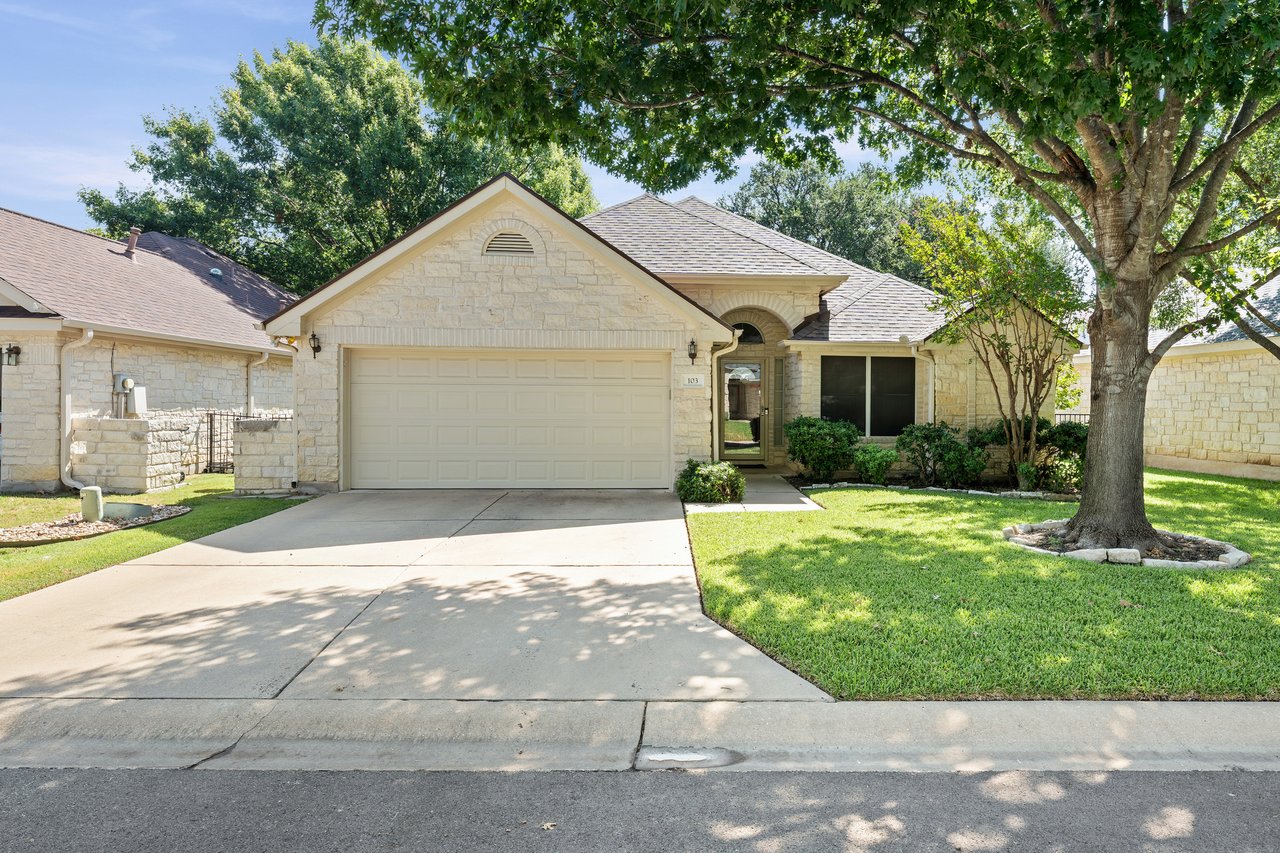
How to Compare Builder Rate Buydowns, Closing Costs, Monthly Payments, and Resale Homes Before You Buy
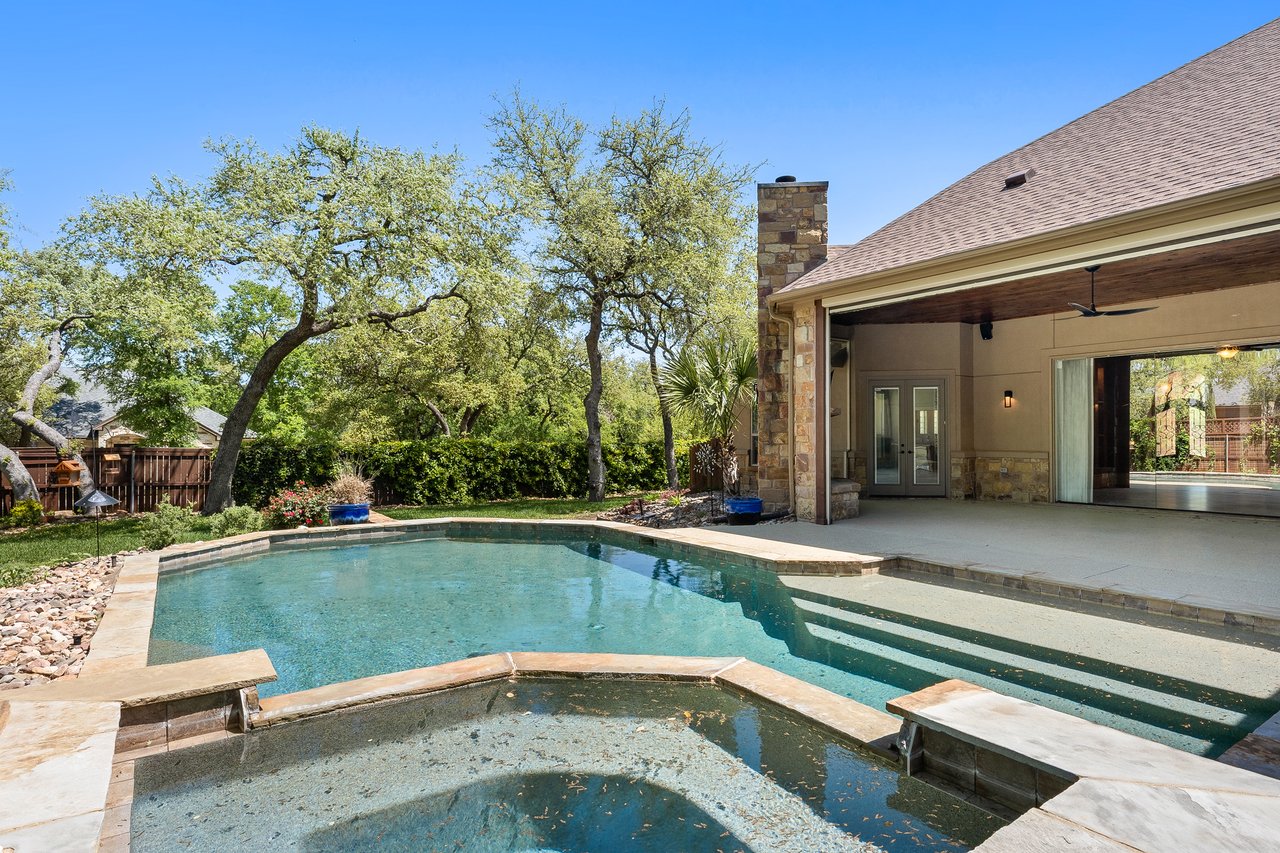
What to Do When Your Temple or Belton Luxury Home Has Been on the Market for 60+ Days

Why first-time buyers searching north of Austin should compare Jarrell with Temple and Belton before choosing a new-construction community.

Why Central Texas buyers looking at Georgetown should consider Temple for new construction, purchasing power, amenities, and everyday lifestyle.
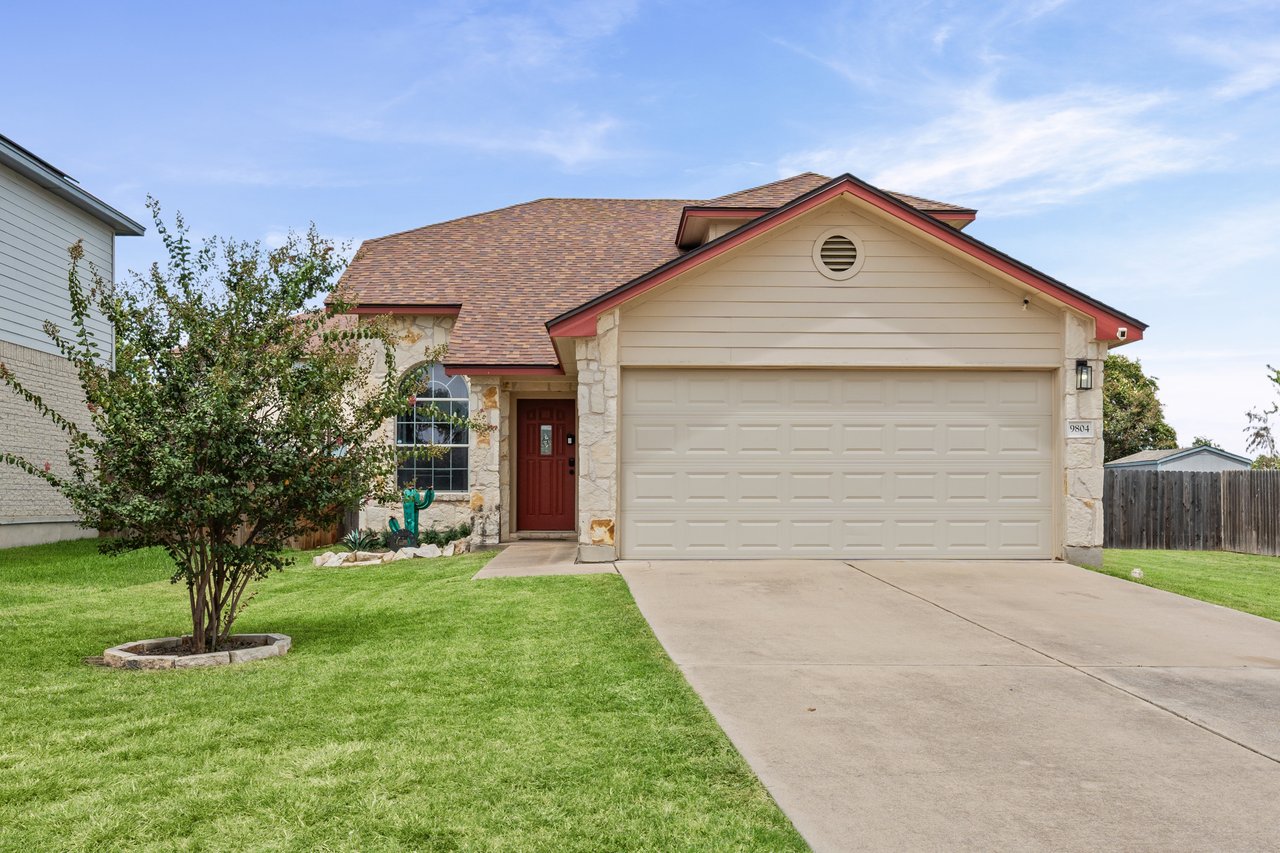
A practical comparison of Temple, Belton, Killeen, Harker Heights and Copperas Cove for buyers relocating to Fort Hood.

Explore Deerfield and discover what custom-home living can look like for buyers relocating to Temple, TX.

Thinking about living in Temple or Belton while working in Austin? Compare home prices, commute times, lifestyle, and the tradeoffs versus Georgetown, Round Rock, and … Read more
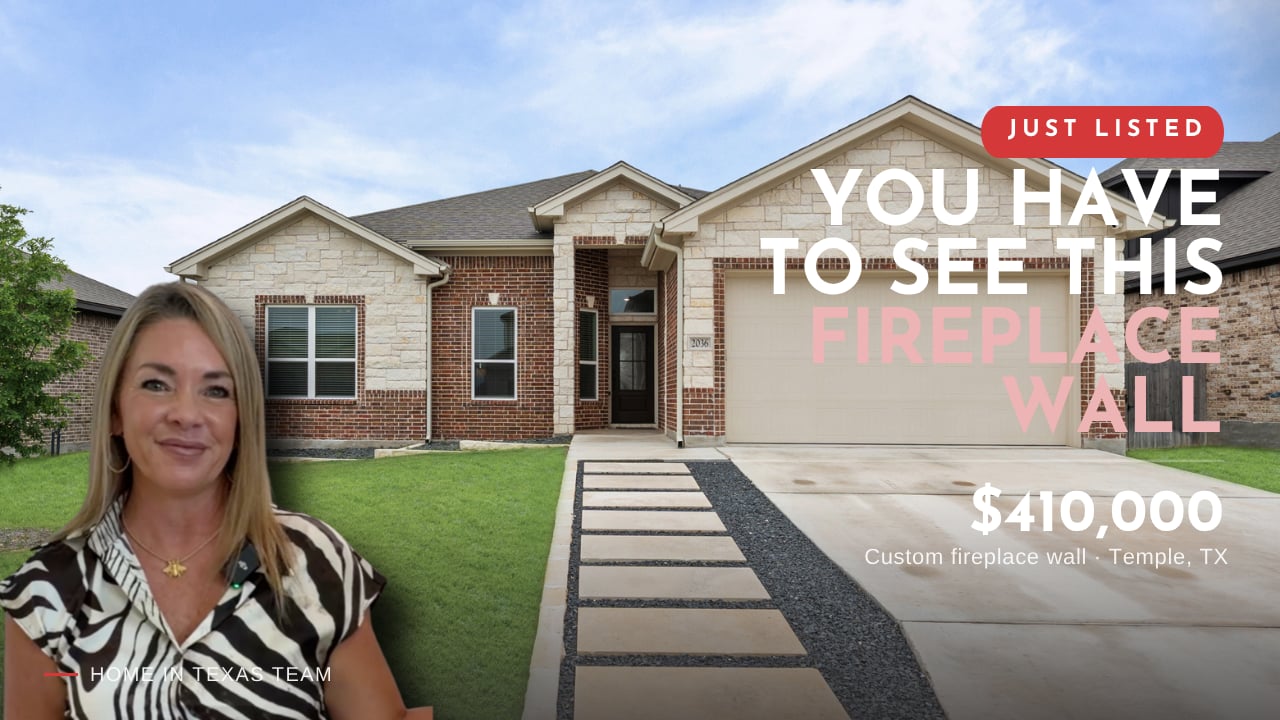
Explore Mesa Ridge, Carothers Executive Homes, Belton ISD, and why this Temple, Texas neighborhood is getting attention from local and relocation buyers.
Through my business, my involvement in our community, and my dedication to my clients, I have developed a great network of friends and business associates. If you need something, I’ll be able to help….and that’s what I love doing!

Ali L. Thompson
McKenna Taggart
Address
6270 W ADAMS AVE
TEMPLE TX 76502