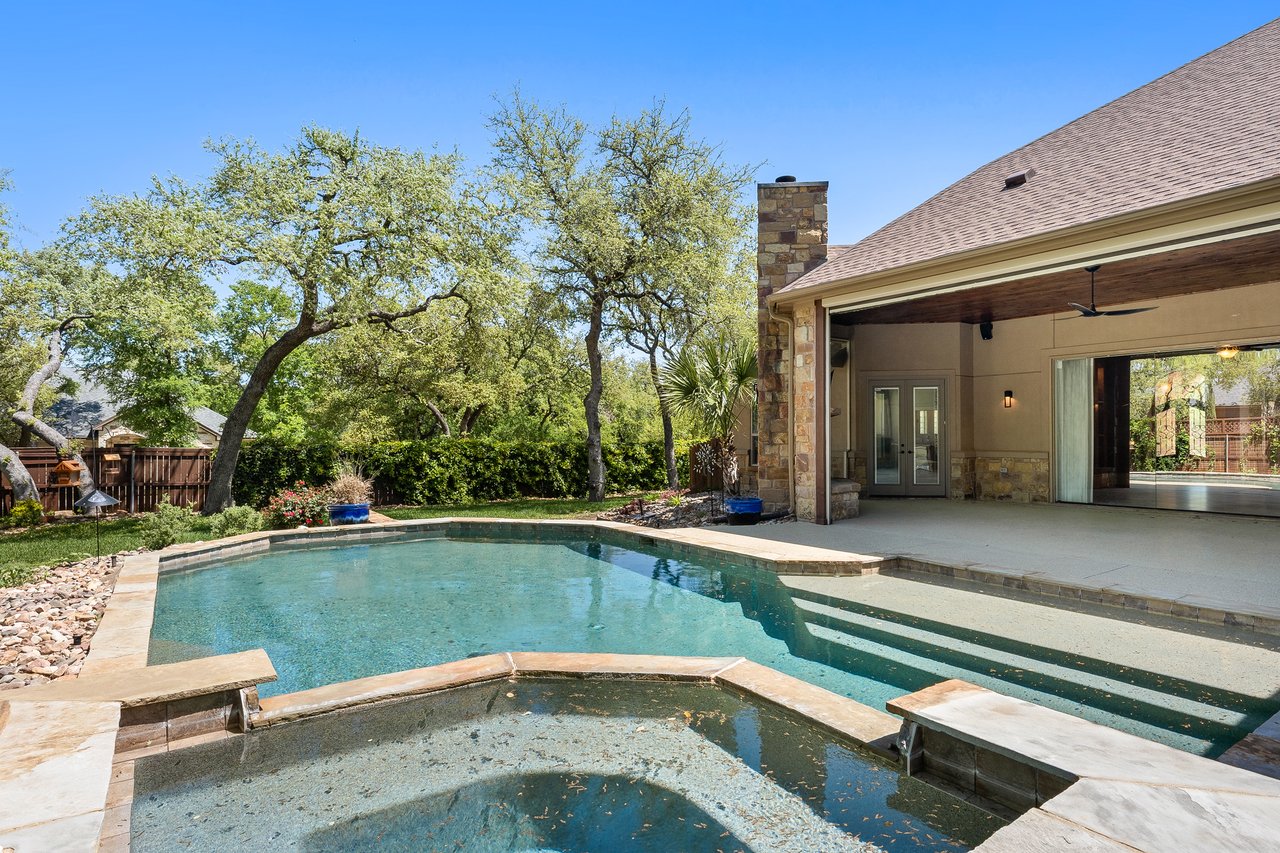
My Temple or Belton Luxury Home Has Been Listed for 60+ Days — Should I Reduce the Price or Reposition It?
If your luxury home in Temple or Belton, Texas has been listed for 60+ days, a price reduction isn't automatically the answer. Your pricing, positioning, presentation, competition, and buyer feedback should determine your next move.
You listed your luxury home expecting the right buyer to recognize its value. The photography looks beautiful. You've had showings. Maybe you've even received positive feedback.
But now you've crossed the 60-day mark without the offer you expected.
So, should you lower the price?
Not necessarily.
In the Temple and Belton luxury market, a longer time on market can be a signal that something needs to change—but price is only one part of the equation. Before making another reduction, you should determine whether your home has a pricing problem, a positioning problem, or both.
Luxury real estate doesn't necessarily move at the same speed as the rest of the housing market.
According to Realtor.com's August 2026 Luxury Housing Report, luxury listings nationally at the 90th percentile spent a median of 74 days on the market. The 95th percentile reached 82 days, while the 99th percentile reached 98 days.
That means crossing 60 days doesn't automatically mean your luxury listing has failed.
It's a decision point.
The local market reinforces why context matters. Redfin reports that homes in Temple sold in around 80 days on average during the three months ending August 2026. The broader Killeen–Temple metro recorded a median 72 days on market in August, according to Realtor.com data published by the Federal Reserve Bank of St. Louis.
So rather than asking, "Why hasn't my house sold in 60 days?" a better question may be:
"What is the market telling me after 60 days?"
Showings tell you whether your current price and marketing are generating enough initial interest.
If buyers are finding your property online but aren't scheduling showings, your listing may be losing the comparison battle before buyers ever walk through the door.
That can point to:
If you're getting plenty of qualified showings but no offers, the problem may be different.
Luxury sellers should pay particularly close attention to repeated feedback.
One buyer saying the primary bathroom feels dated is an opinion.
Six buyers saying it is a pattern.
The same applies to price, floor plan, finishes, landscaping, privacy, location, acreage, road noise, pool condition, or deferred maintenance.
You don't need to react to every comment. You do need to identify recurring objections.
Those objections can help determine whether you should adjust the home, change the marketing strategy, offer an incentive, or reconsider the price.
Your competition isn't frozen in time.
A home that looked perfectly priced 60 days ago can look expensive today if several competing properties have sold below it.
Your luxury listing agent should rerun the competitive analysis using current listings, pending properties, recent sales, price reductions, withdrawn listings, and new competition.
This is especially important with distinctive Temple and Belton properties.
A custom home on acreage isn't necessarily competing with every house in its ZIP code. A property near Lake Belton may attract a different buyer from a luxury home closer to Temple's medical and employment centers.
The right comparison set matters.
A price reduction changes a number.
A repositioning strategy changes how buyers perceive the opportunity.
Sometimes those happen together. Sometimes they shouldn't.
For example, imagine your home was originally positioned primarily around square footage and high-end finishes. After two months of feedback, you discover that relocating executives consistently respond most strongly to the home office, privacy, outdoor living, proximity to major employers, and ability to accommodate multigenerational living.
Those features may need to become central to the marketing.
Repositioning could include:
The objective isn't to make an old listing look new.
It's to make sure the listing is presenting the strongest and most accurate case for why your home is worth choosing over its current competition.
There are situations where repositioning alone won't solve the problem.
If comparable homes are selling and yours isn't—and buyers repeatedly identify price as the obstacle—the market may be giving you a clear signal.
This matters even more when your home sits near a common online search threshold.
A home priced just above a range frequently searched by buyers may miss people who would otherwise consider it. A strategic adjustment can sometimes change the competitive set buyers see when they search.
But don't reduce simply because you've reached an arbitrary number of days.
Your decision should be based on evidence.
Ask:
Question | What It May Tell You |
|---|---|
Very few showings? | Price, presentation, exposure, or buyer pool may need review |
Showings but no offers? | Buyers may see a value or condition mismatch |
Similar homes selling first? | Revisit your competitive position |
Repeated objection to one feature? | Address or compensate for that objection |
New competition priced lower? | Your original pricing strategy may need updating |
Strong interest but buyers hesitate? | Terms, incentives, or presentation may deserve attention |
One mistake luxury sellers can make is assuming "luxury" is a single category.
It isn't.
Realtor.com defines luxury for its national research using market-specific price percentiles rather than one universal dollar amount. That's an important distinction for Central Texas.
A luxury property in Temple, Texas should not automatically be marketed using the same strategy as one in Austin, Dallas, or Houston.
Even within Bell County, buyer motivations can vary.
A buyer may prioritize acreage and privacy. Another may want proximity to healthcare employers. Someone relocating from another state may value a newer home requiring minimal immediate work. Another buyer may specifically want outdoor entertaining, a workshop, multigenerational space, or access to Lake Belton.
Your marketing should answer the question the right buyer is already asking:
"Why is this the right home for me?"
There is another reason sellers should reevaluate rather than panic.
Realtor.com's August 2026 report describes a luxury market that is recalibrating rather than moving uniformly in one direction.
The national threshold for the top 10% of listings fell to about $1.2 million in August, down 4% from both July and the previous year. Yet luxury homes at that threshold were actually selling four days faster than they did a year earlier.
Those seemingly contradictory numbers illustrate why one statistic shouldn't determine your listing strategy.
Luxury markets—and individual luxury properties—can behave very differently.
That's especially true in a smaller market such as Temple-Belton, where unique properties can have fewer direct comparables.
Usually, this shouldn't be your first reaction.
Instead, evaluate why the listing hasn't converted.
Simply changing agents, photos, price, or listing status without understanding the underlying problem may recreate the same result.
Before making a major change, ask for a detailed review of:
Then build the next strategy around what that evidence actually shows.
There isn't one reliable number that applies to every luxury property. Temple homes overall were selling in around 80 days on Redfin's three-month measure ending August 2026, while luxury homes can take longer depending on price, condition, uniqueness, location, acreage, and the size of the qualified buyer pool.
Not automatically. Sixty days is a good point to conduct a detailed listing review. Look at showings, feedback, recent comparable sales, new competition, online presentation, and buyer objections before deciding whether the best move is a price adjustment, repositioning, or both.
Look beyond promises about price. Ask how the agent determines your competitive set, markets distinctive properties, responds to buyer feedback, measures listing performance, reaches relocation buyers, and changes strategy when the initial approach isn't producing results.
If your Temple or Belton luxury home has been sitting for 60, 80, or even 100 days, the most useful next step isn't automatically another price cut.
It's figuring out why.
Your property may need a pricing adjustment. It may need stronger positioning. It may need a different presentation or marketing strategy. Sometimes it needs a combination of all three.
The goal is to make your next move based on current market evidence rather than frustration.
If you're considering selling—or your current luxury listing isn't getting the results you expected—Home in Texas Team can help you evaluate how your property is positioned in today's Temple and Belton market.
As a mother-daughter run real estate team, Ali Thompson and McKenna Taggart work with buyers and sellers throughout the Temple-Belton area, including clients relocating to Central Texas. If you're searching for a luxury Realtor in Temple, Texas, a relocation specialist, or local guidance on selling a distinctive Bell County property, we'd be happy to help you determine your next move.
Ali Thompson & McKenna Taggart
Home in Texas Team | Temple & Belton, Texas
Mother-Daughter Real Estate Team • Luxury Homes • Relocation • Buyers & Sellers
What to Do When Your Temple or Belton Luxury Home Has Been on the Market for 60+ Days

Why first-time buyers searching north of Austin should compare Jarrell with Temple and Belton before choosing a new-construction community.

Why Central Texas buyers looking at Georgetown should consider Temple for new construction, purchasing power, amenities, and everyday lifestyle.
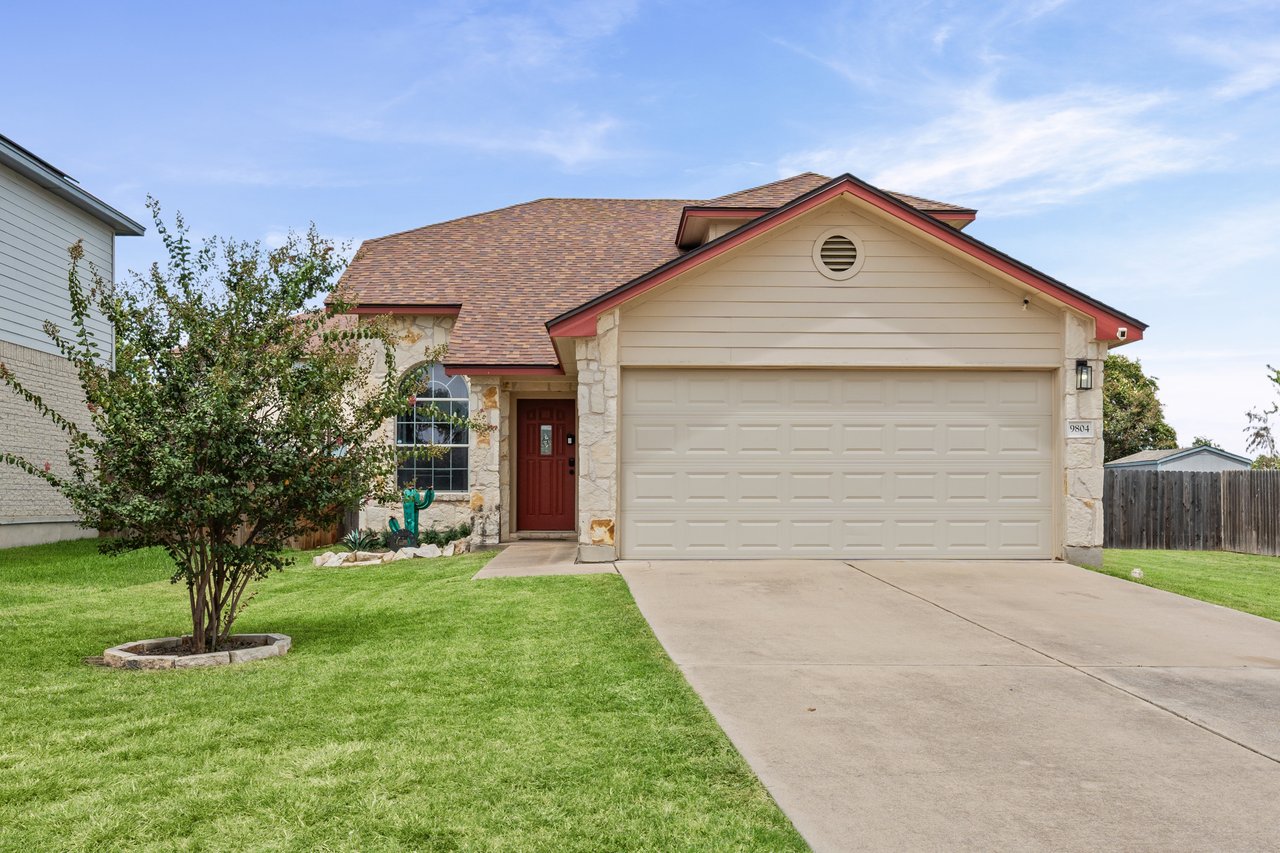
A practical comparison of Temple, Belton, Killeen, Harker Heights and Copperas Cove for buyers relocating to Fort Hood.

Explore Deerfield and discover what custom-home living can look like for buyers relocating to Temple, TX.

Thinking about living in Temple or Belton while working in Austin? Compare home prices, commute times, lifestyle, and the tradeoffs versus Georgetown, Round Rock, and … Read more

Explore Mesa Ridge, Carothers Executive Homes, Belton ISD, and why this Temple, Texas neighborhood is getting attention from local and relocation buyers.
A Military Family’s Guide to Comparing Commutes, Homes, New Construction, and Communities Near Fort Hood
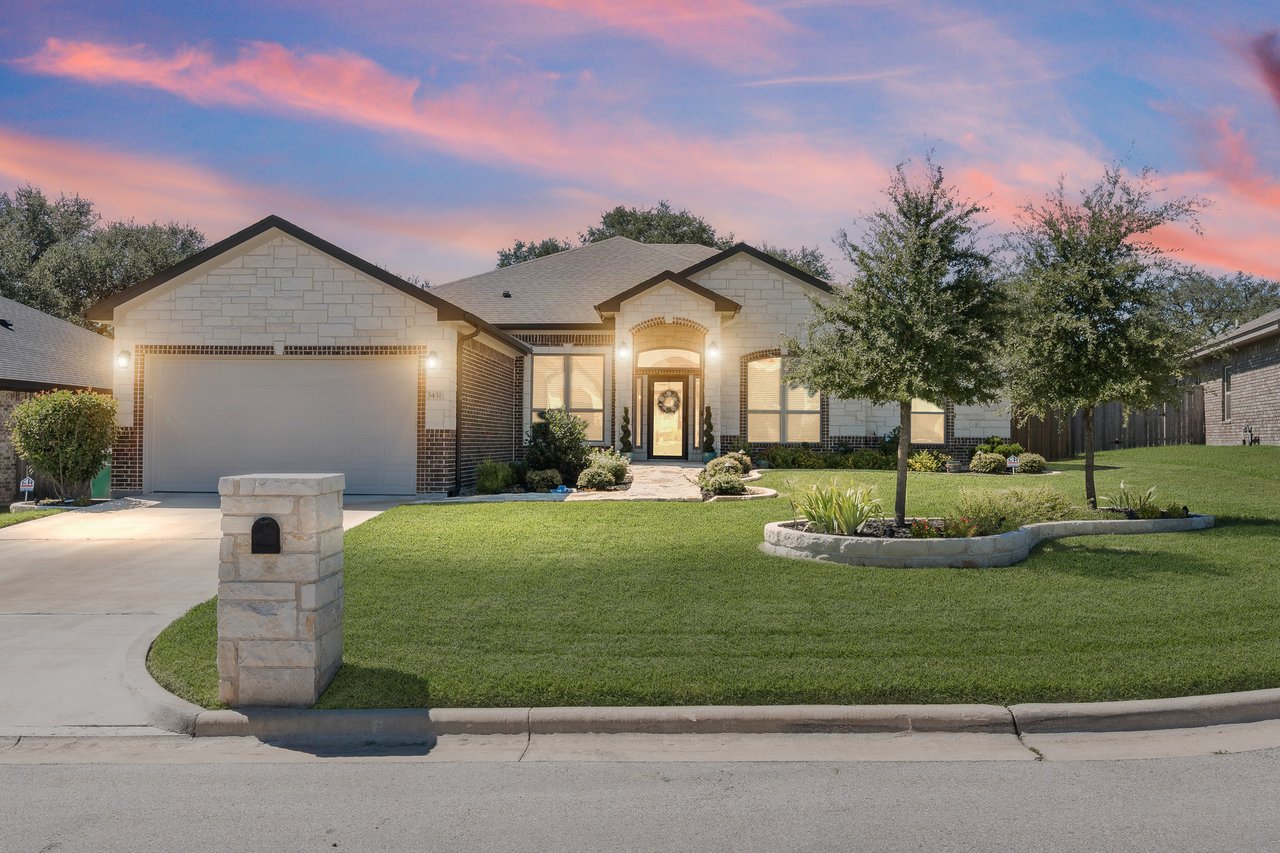
A Local Buyer’s Guide to Homes, New Construction, Amenities, Schools & Living in Three Creeks
Through my business, my involvement in our community, and my dedication to my clients, I have developed a great network of friends and business associates. If you need something, I’ll be able to help….and that’s what I love doing!

Ali L. Thompson
McKenna Taggart
Address
6270 W ADAMS AVE
TEMPLE TX 76502