
If You Work in Austin, Is It Worth Living in Temple or Belton, Texas?
Is it worth living in Temple or Belton if you work in Austin? For some buyers, absolutely. Temple and Belton can offer more home for your budget and a slower-paced Central Texas lifestyle than areas closer to Austin—but the tradeoff is a longer commute.
If you're relocating to Central Texas for a job in Austin, you might assume you need to live in Austin—or at least in Georgetown, Round Rock, or Pflugerville.
But before you choose where to live, there's another question worth asking:
How close to Austin do you actually need to be?
We're Ali Thompson and McKenna Taggart with Home in Texas Team, a mother-daughter real estate team based in the Temple and Belton area. As relocation specialists, we talk with buyers who are surprised by just how different their options can look when they expand their home search farther north.
For some families, living closer to Austin is absolutely worth paying more.
For others—especially buyers who work hybrid schedules, don't commute downtown every day, want more home for their money, or simply prefer a slower pace of life—Temple or Belton can be worth a serious look.
The catch?
You're going to drive farther.
Let's break down whether that tradeoff could make sense for you.
Central Texas has grown enormously, and communities north of Austin have grown along with it.
Places such as Pflugerville, Round Rock, and Georgetown and Jarrell are natural choices if you work in Austin but don't necessarily want to live in the city itself.
The problem is that moving north of Austin doesn't automatically mean you're escaping Austin-area prices, growth, construction, or traffic.
Georgetown, Round Rock, and Pflugerville have experienced substantial growth of their own. Depending on where you're coming from, these communities may still feel busy—and housing can remain considerably more expensive than what you'll find farther north in Temple and Belton.
That's where the calculation starts getting interesting.
Instead of asking:
"What's the closest suburb to my Austin job?"
Try asking:
"How much commute am I willing to accept for the home and lifestyle I actually want?"
This is where Temple and Belton can get the attention of relocation buyers very quickly.
Recent 2026 housing data cited in our relocation research placed Temple's median sale price around $265,000–$275,000.
Compare that with roughly:
Area | Recent Median Sale Price* |
|---|---|
Temple | $265K–$275K |
Belton | ~$295K–$359K |
Round Rock | ~$373K–$388K |
Georgetown | ~$415K–$460K |
Austin Metro | ~$427K–$440K |
Austin city limits | Often ~$570K–$630K |
*Market figures vary by source, property type, and reporting period. These figures reflect recent 2026 data reviewed for this article and should be treated as a market snapshot rather than a valuation of an individual property.
That's a meaningful difference.
If you have a $400,000 or $500,000 budget, don't just compare the prices of houses.
Compare the houses themselves.
Look at the square footage. The age of the home. Lot size. Garage. Kitchen. Outdoor space. Neighborhood. New-construction options. Then ask what compromises you're making in each location.
That's often when relocation buyers begin looking differently at Temple and Belton real estate.
This is one of our favorite exercises with relocation clients.
Set one budget and look at multiple markets.
For example, instead of asking, "Can I afford Georgetown?" ask:
"What does my exact budget buy me in Georgetown versus Temple or Belton?"
In a higher-priced market, $500,000 may put you around the middle of the market.
Move that same budget to Temple or Belton, and you may have the ability to explore a very different category of property—including larger homes, newer construction, upgraded features, or more space.
That doesn't automatically make Temple the right decision.
But it changes the conversation.
If you're moving from another state and searching online, Ali Thompson and McKenna Taggart of Home in Texas Team can help you make that comparison using current listings rather than averages alone.
Because median prices tell you what a market costs.
Actual homes tell you what your money buys.
Yes—but this is the part where you need to be realistic.
Temple is roughly 67–68 miles from downtown Austin, and under favorable driving conditions, the trip can be around an hour or a little more.
But Austin traffic doesn't always cooperate.
Rush-hour congestion, your exact workplace, departure time, weather, accidents, and ongoing I-35 construction can all significantly change your commute.
A job in North Austin is also a different calculation than a job downtown or south of the city.
That's why we would never tell a relocation buyer, "Temple is only an hour from Austin."
Sometimes it may be.
Sometimes it won't be.
If you're considering buying a home in Temple or Belton while working in Austin, test the drive during the hours you'll actually commute before making your decision.
This can completely change the equation.
If you're expected at an office in downtown Austin at 8:00 a.m. five days a week, living in Temple is a substantial commute.
You need to decide whether the additional house and different lifestyle are worth spending that much time on the road.
But what if you work from home three days per week?
What if you only need to be in Austin once or twice a week?
What if your office is in North Austin rather than downtown?
Suddenly, the equation can look very different.
A longer commute two days a week may be an acceptable tradeoff if the other five days are spent living somewhere you prefer.
This is why hybrid work has changed the way some buyers think about location.
You're no longer necessarily choosing the house closest to your office.
You're choosing where you want to spend most of your life.
Georgetown is an obvious alternative for someone who wants to get outside Austin.
And for plenty of buyers, it will be the right answer.
You're significantly closer to Austin than you would be in Temple, while still living outside the city itself.
But you're paying for that proximity.
Our 2026 research found Georgetown median home prices roughly in the $415,000–$460,000 range, compared with approximately $265,000–$275,000 in Temple during the periods examined.
That's potentially a difference of well over $100,000.
So the question becomes:
How much is a shorter commute worth to you?
There isn't one correct answer.
For one buyer, saving significant time every weekday is easily worth paying more for the house.
Another buyer may commute twice a week and decide they'd rather put that money toward additional square footage, newer construction, outdoor space, or other priorities.
Pflugerville and Round Rock put you closer to many Austin-area employers, which is a significant advantage.
But they're also part of a rapidly growing metropolitan area.
If your reason for moving farther out is that you want to get away from some of the congestion, development, and pace associated with a major metro, simply moving to another fast-growing Austin suburb may not give you the change you're looking for.
Temple and Belton feel different because you're moving into a separate Central Texas community rather than simply another layer of the Austin metro.
You still have restaurants, shopping, healthcare, schools, employers, and everyday conveniences.
But the rhythm can feel different.
And for some relocation buyers, that's exactly what they're trying to find.
Not every relocation decision can—or should—be reduced to dollars per square foot.
Maybe you're moving from Dallas, Houston, California, Colorado, or another large metro and you're ready for something different.
You might want a larger home.
You might want more room outside.
You might prefer newer construction.
You may want to spend less of your housing budget simply to get into a particular ZIP code.
Or maybe you're just tired of feeling like every trip across town is part of a major metropolitan commute.
Temple and Belton can offer a different pace while keeping you in the Central Texas corridor.
That doesn't mean there's no traffic, construction, or growth here. There is.
It means you're comparing two different lifestyles—not simply two different home prices.
If Austin access is your primary concern, Temple generally has the geographic advantage because you're starting slightly farther north/east and have direct I-35 access.
But choosing between Temple and Belton should involve more than commute time.
You should compare:
That's where working with someone who actually knows the Temple-Belton real estate market becomes valuable.
Temple or Belton may deserve a closer look if you:
On the other hand, if you're driving to downtown or South Austin five days a week and minimizing your commute is your highest priority, living closer to Austin may make more sense.
The goal isn't to convince you to live farther away. It's to help you understand what you gain—and what you give up—before you decide.
Temple is approximately 67–68 miles from downtown Austin. Under favorable conditions, the drive can take around 65–70 minutes, but peak traffic and construction can add considerable time. Your actual commute depends heavily on where in Austin you work and when you travel.
Recent 2026 housing data reviewed for this article showed a substantial difference, with Temple median sale prices around $265,000–$275,000 compared with roughly $415,000–$460,000 in Georgetown. Current prices change frequently, so compare active homes within your actual budget before deciding.
That's where Temple can become especially worth considering. If you have a hybrid schedule, you may decide that accepting a longer commute once or twice a week is worth having more housing options or a different pace of life the rest of the week. Test the commute yourself before buying.
If your new job is bringing you to Austin or Central Texas, don't choose where to live based solely on a map.
And don't assume Austin, Pflugerville, Round Rock, or Georgetown are your only options.
Come farther north and see what your budget could buy in Temple and Belton, Texas.
We're Ali Thompson and McKenna Taggart with Home in Texas Team, a mother-daughter real estate team specializing in helping buyers and sellers navigate Temple, Belton, and the surrounding Central Texas market.
As Temple and Belton relocation specialists, we can help you compare communities, commute considerations, current homes, new construction, and what your budget actually buys before you decide where to put down roots.
Whether you're searching for a first-time homebuyer specialist, a relocation Realtor in Temple or Belton, or a luxury real estate agent in the Temple area, our goal is to help you make the move based on your priorities—not someone else's.
Ali Thompson & McKenna Taggart
Home in Texas Team
Mother-Daughter Real Estate Team | Temple & Belton, Texas
Relocation • First-Time Homebuyers • Luxury Buyers & Sellers
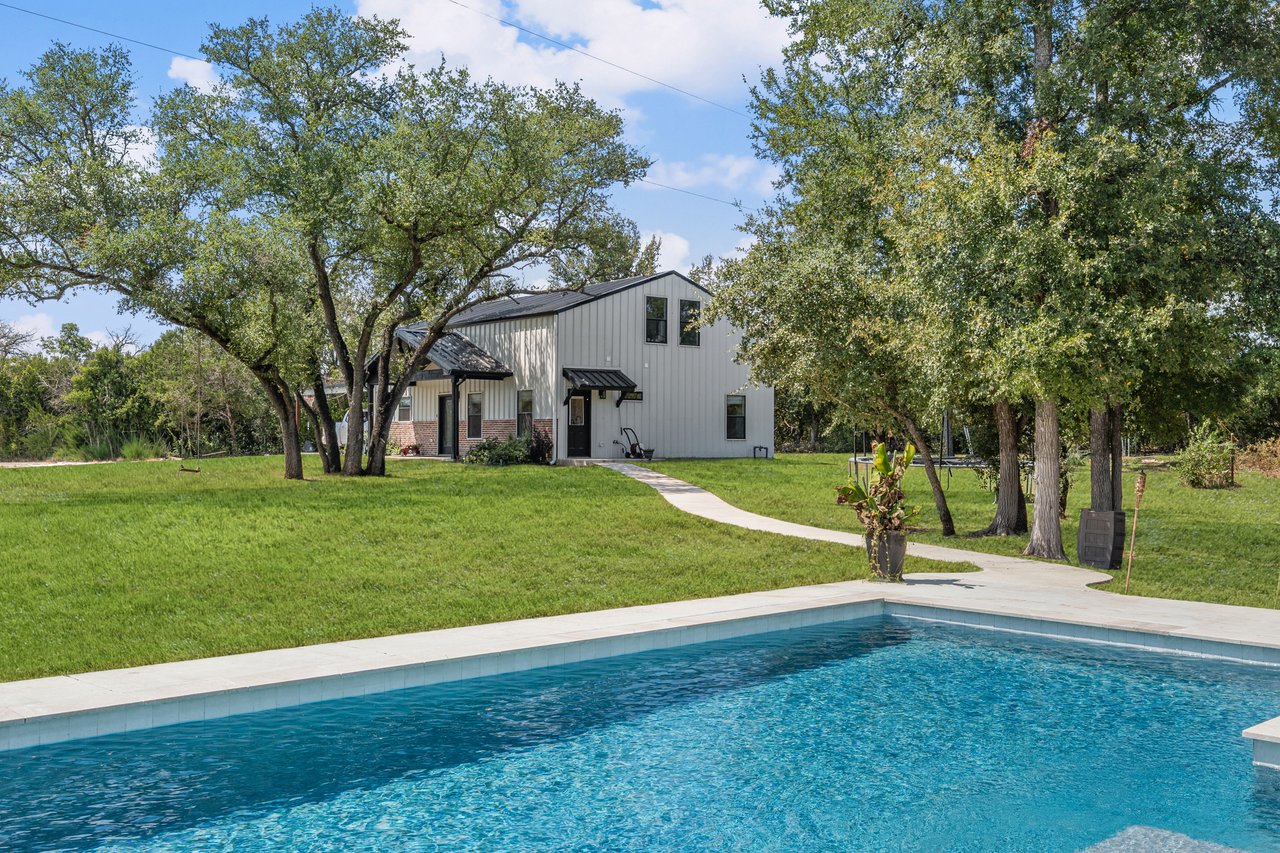
What Out-of-State and Luxury Buyers Need to Know About ETJs, Septic, Water, Floodplains, Road Access, Restrictions, and Future Development
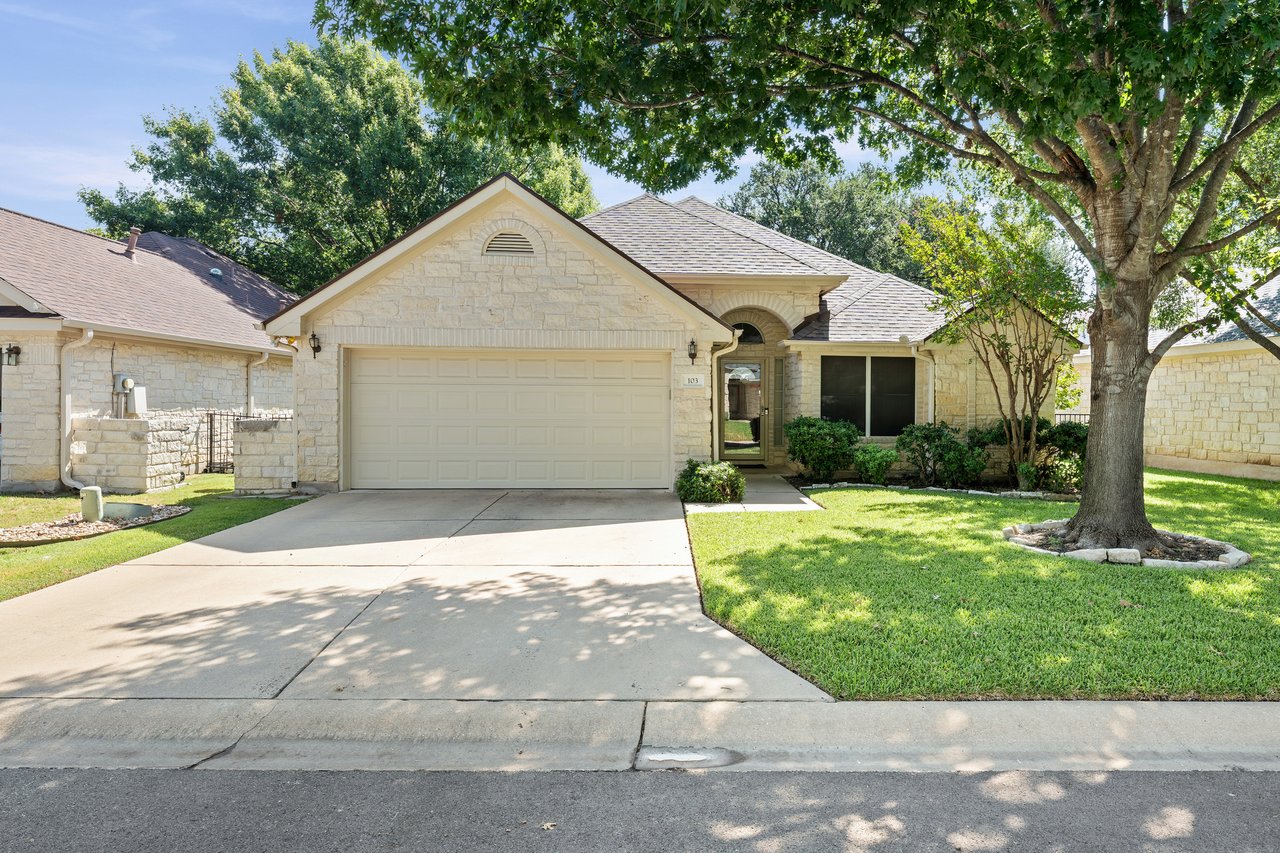
How to Compare Builder Rate Buydowns, Closing Costs, Monthly Payments, and Resale Homes Before You Buy
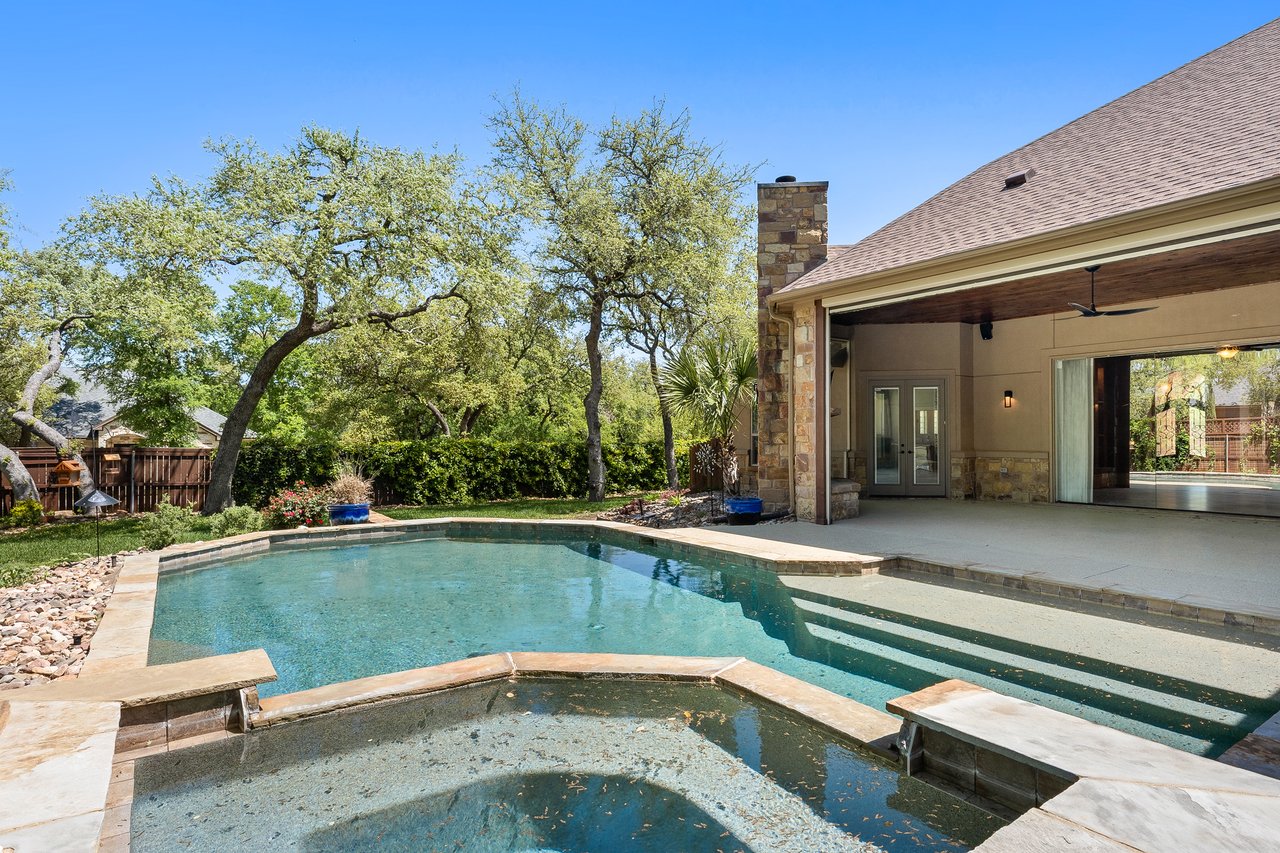
What to Do When Your Temple or Belton Luxury Home Has Been on the Market for 60+ Days

Why first-time buyers searching north of Austin should compare Jarrell with Temple and Belton before choosing a new-construction community.

Why Central Texas buyers looking at Georgetown should consider Temple for new construction, purchasing power, amenities, and everyday lifestyle.
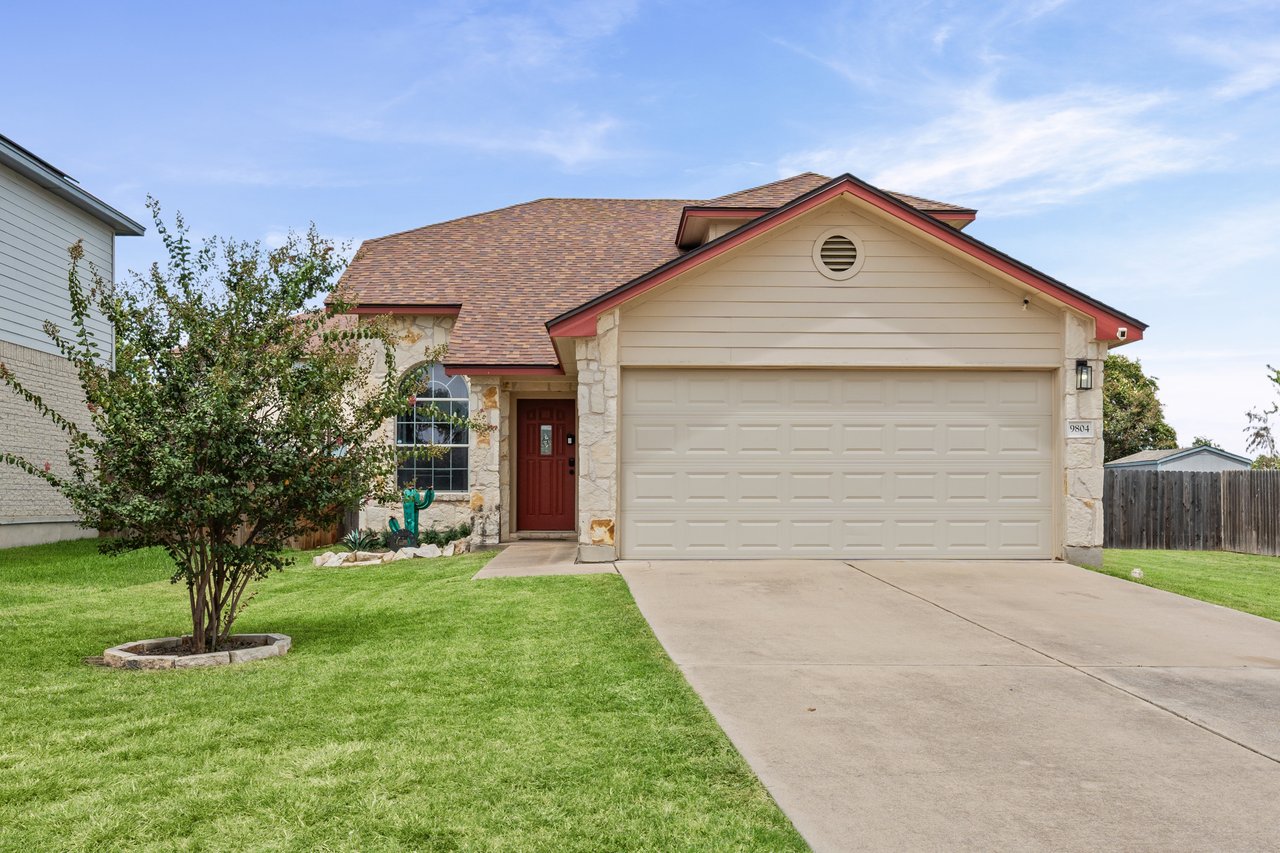
A practical comparison of Temple, Belton, Killeen, Harker Heights and Copperas Cove for buyers relocating to Fort Hood.

Explore Deerfield and discover what custom-home living can look like for buyers relocating to Temple, TX.
Thinking about living in Temple or Belton while working in Austin? Compare home prices, commute times, lifestyle, and the tradeoffs versus Georgetown, Round Rock, and … Read more

Explore Mesa Ridge, Carothers Executive Homes, Belton ISD, and why this Temple, Texas neighborhood is getting attention from local and relocation buyers.
Through my business, my involvement in our community, and my dedication to my clients, I have developed a great network of friends and business associates. If you need something, I’ll be able to help….and that’s what I love doing!

Ali L. Thompson
McKenna Taggart
Address
6270 W ADAMS AVE
TEMPLE TX 76502