
If I Sell My Home in Temple or Belton, Do I Still Have to Pay the Buyer's Agent?
If I sell my home in Temple or Belton, Texas, do I have to pay the buyer's agent?
No. Texas home sellers are not automatically required to pay the buyer's agent. Buyer-agent compensation is negotiable, but offering to cover some or all of that cost may help make your home financially accessible to more buyers.
If you're thinking about selling your home in Temple or Belton, Texas, you've probably heard that the rules about real estate commissions have changed.
Maybe someone told you sellers don't have to pay the buyer's agent anymore.
Someone else may have said sellers are still paying both agents.
So which is it?
Both statements can describe real transactions, but neither tells the whole story.
You are not automatically required to pay the buyer's agent. However, sellers can still choose to contribute toward that compensation, and buyers can request it when submitting an offer.
In a market where buyers are comparing multiple homes and watching their upfront expenses, this decision can affect how an offer is structured.
At Home in Texas Team, Ali Thompson and McKenna Taggart help homeowners in Temple, Belton, and surrounding Bell County communities understand their options before listing.
Here's what sellers should know.
No. There is no legally required standard commission or automatic obligation for every seller to pay a buyer's agent.
Real estate brokerage fees are negotiable.
You and your listing broker negotiate the compensation for the services provided. Separately, a buyer and their broker agree on compensation under their representation agreement.
A seller may choose to contribute toward the buyer's brokerage compensation, but that decision should be made with a clear understanding of the costs and potential benefits.
According to the National Association of REALTORS® Consumer Guide to Offers of Compensation, sellers have options when deciding whether to offer compensation to a buyer's agent.
Those options include offering compensation, negotiating a contribution during the purchase transaction, or choosing not to contribute.
Your signed listing agreement and any accepted purchase contract determine your actual obligations.
In August 2024, industry practice changes took effect following the National Association of REALTORS® settlement.
These changes created additional requirements around compensation disclosures and buyer representation agreements.
Two important points for sellers are:
These changes did not prohibit sellers from paying buyer-agent compensation.
They also did not establish a standard commission rate.
Instead, compensation remains negotiable among the parties involved.
You can read more in NAR's explanation of the practice changes.
This is where the local market matters.
In our experience working with buyers and sellers around Temple and Belton, requests for seller-paid buyer-agent compensation remain an important part of some negotiations.
One reason is that many buyers are already managing significant upfront expenses.
A buyer may need funds for:
If that buyer must also pay their agent's fee directly, the additional expense may affect how they structure an offer or whether a particular purchase is financially practical.
Not every buyer faces that challenge. Some buyers have sufficient cash to cover their representation costs, and others may negotiate different arrangements.
But when you're selling in a market where buyers have choices, understanding their potential upfront costs can help you evaluate the financial terms of an offer.
Offering to contribute toward buyer-agent compensation is one possible strategy for reducing a buyer's upfront cash burden. It is not a requirement or a guarantee of a sale.
Potentially, yes.
A seller-approved contribution can make a purchase easier for a buyer who would otherwise need additional cash to pay their broker.
That may help an offer come together.
However, the decision should be based on your property, price range, competing listings, and financial goals.
For example, if several comparable homes are available in your Temple neighborhood, you may want to consider whether offering a buyer-agent compensation contribution could make the overall transaction more workable for a prospective purchaser.
On the other hand, if your home is competitively priced and attracting strong offers, you may prefer to evaluate compensation requests individually.
There is no universal answer.
And importantly, a buyer's agent should provide property information and guidance consistent with their duties to their client, regardless of whether the seller offers compensation.
A seller should not assume that paying a particular fee guarantees more showings, preferential treatment, or a higher sales price.
This is one of the most important questions to ask when interviewing a listing agent.
A thoughtful listing strategy should account for your anticipated selling expenses, including any buyer-agent compensation you authorize or agree to negotiate.
But that does not mean simply increasing your home's price by a commission percentage.
The market determines what buyers are willing to pay. Your financial goals help determine whether a proposed sale makes sense for you.
A successful listing agent should evaluate recent comparable sales, current competing listings, buyer demand, your property's condition, and your estimated net proceeds.
Then the agent can help you develop a competitive asking price that takes potential transaction costs into consideration.
Imagine you want to sell your Temple home and are evaluating two hypothetical offers.
Offer A | Offer B | |
|---|---|---|
Purchase price | $350,000 | $345,000 |
Seller contribution to buyer's broker | $7,000 | $0 |
Price less that contribution | $343,000 | $345,000 |
In this simplified example, Offer B leaves $2,000 more before other selling expenses.
That doesn't automatically make Offer B the better offer.
Financing terms, appraisal risk, inspection requests, contingencies, and the likelihood of closing also matter.
The example demonstrates why you should compare net proceeds rather than purchase price alone.
A higher offer with additional seller-paid expenses may leave you with less money than a lower offer with fewer expenses.
The $7,000 figure is illustrative, not a customary, required, or recommended commission amount. Actual fees and contributions are individually negotiated.
You can choose an asking price that reflects your goals and anticipated expenses, but it still needs to be supported by market conditions.
If comparable homes are selling for approximately $350,000, listing at $360,000 solely to offset additional fees could make your property less competitive.
Even if a buyer agrees to a higher price, an appraisal or financing requirements could create complications.
A well-prepared listing agent should help you assess what the market supports and prepare a seller net sheet under different offer scenarios.
The goal is not to promise that the buyer will pay more to cover the fee. The goal is to position your home competitively while protecting your financial interests.
Texas sellers have several possible approaches.
Option | How it works | What to consider |
|---|---|---|
Offer compensation through the listing broker | You authorize an agreed amount or rate that the listing broker may offer to a buyer's broker | Requires appropriate written authorization and documentation |
Negotiate a seller contribution in the purchase contract | A buyer requests that you pay an agreed amount toward their brokerage compensation | Evaluate the full offer and your estimated net proceeds |
Offer permitted buyer concessions | You agree to help with certain eligible buyer expenses | Concession rules and lender limits may apply |
Do not offer compensation upfront | You review any requests when offers arrive | A buyer may still request a contribution during negotiations |
Texas REALTORS® explains the compensation options and the relevant contract provisions in its June 2026 forms guidance.
The distinction between a contribution specifically toward buyer-broker compensation and a general buyer-expense concession matters.
Your agent should explain how each proposed term would be documented, and your lender or title company should confirm any financing-related requirements.
Yes.
A buyer may pay their own broker according to the terms of their written representation agreement.
Alternatively, the buyer may negotiate for the seller or listing broker to cover some or all of the agreed compensation.
The buyer's broker generally cannot receive more compensation than the amount or rate agreed to in the buyer's written agreement under the applicable NAR practice changes.
If a buyer asks you to contribute toward the fee, you are not automatically required to accept.
You can evaluate the request alongside the purchase price and other contract terms.
You may decide not to offer or agree to a buyer-agent compensation contribution.
That is a valid option.
A buyer could still make an offer and arrange to pay their own broker.
Another buyer may ask for compensation as part of the offer.
Some buyers may find the additional cash requirement difficult to manage, while others may be comfortable with it.
There is no reliable basis for claiming that refusing to contribute will always cause your home to sit longer—or that offering compensation will always make it sell faster.
For Temple and Belton sellers, the better approach is to compare the available options against your home's actual market conditions.
Your listing agent should explain the possible tradeoffs without pressuring you into a particular compensation arrangement.
A strong listing strategy involves more than choosing a commission amount.
Before listing your home, your agent should help you understand:
An effective listing agent should present the choices clearly and recommend a strategy based on your goals.
You should understand what you're agreeing to before signing the listing agreement.
And you should never be told that a particular commission percentage is required by law or standard across the industry.
Yes. Buyer-agent compensation remains negotiable for luxury properties as well.
However, the considerations may differ.
For a luxury home in Temple, Belton, or the surrounding Bell County area, buyers may have different financing arrangements, down payments, and transaction priorities.
Some may be cash buyers. Others may be financing a substantial portion of the purchase.
A seller considering a contribution should evaluate the complete offer rather than assuming all luxury buyers have the same financial needs.
For higher-priced properties, even a small percentage difference in transaction expenses can represent a significant dollar amount.
That's another reason to request a detailed net-proceeds analysis before making a decision.
No. There is no legally required or industry-set standard buyer-agent commission. Brokerage compensation is negotiable and should be agreed upon by the appropriate parties.
Yes. A buyer may include a request for seller-paid buyer-broker compensation in their purchase offer. You can accept, reject, or negotiate the proposed terms.
Not necessarily. A contribution may help address a buyer's upfront costs, but selling time also depends on price, condition, location, competing inventory, financing, and demand. No particular compensation arrangement guarantees a faster sale.
When you sell a home, what matters isn't just the number on the offer.
It's the amount you receive after the transaction closes—and whether the terms work for you.
You are not automatically required to pay the buyer's agent.
But depending on your property and market conditions, choosing to contribute toward buyer-agent compensation may be worth considering as part of your overall selling strategy.
At Home in Texas Team, Ali Thompson and McKenna Taggart help homeowners throughout Temple, Belton, and surrounding Central Texas communities evaluate their pricing, marketing, and negotiation options.
As a mother-daughter-run real estate team, we believe sellers should understand their choices and make informed decisions about their homes.
Thinking about selling? Contact Home in Texas Team for a property-specific pricing review and a seller net sheet that compares different buyer-agent compensation scenarios.
Ali Thompson & McKenna Taggart | Home in Texas Team | Temple, Belton & Bell County, Texas
This article is general educational information, not legal advice. Brokerage compensation is fully negotiable and not set by law. Any obligation to pay compensation depends on the applicable signed agreements and contract terms. Consult a Texas real estate attorney for legal questions about a specific transaction.
What Temple and Belton Home Sellers Need to Know About Negotiable Commissions, Buyer Affordability, and Protecting Their Net Proceeds

A First-Time Buyer's Guide to Down Payments, Closing Costs, Earnest Money, and the Cash You'll Actually Need in 2026
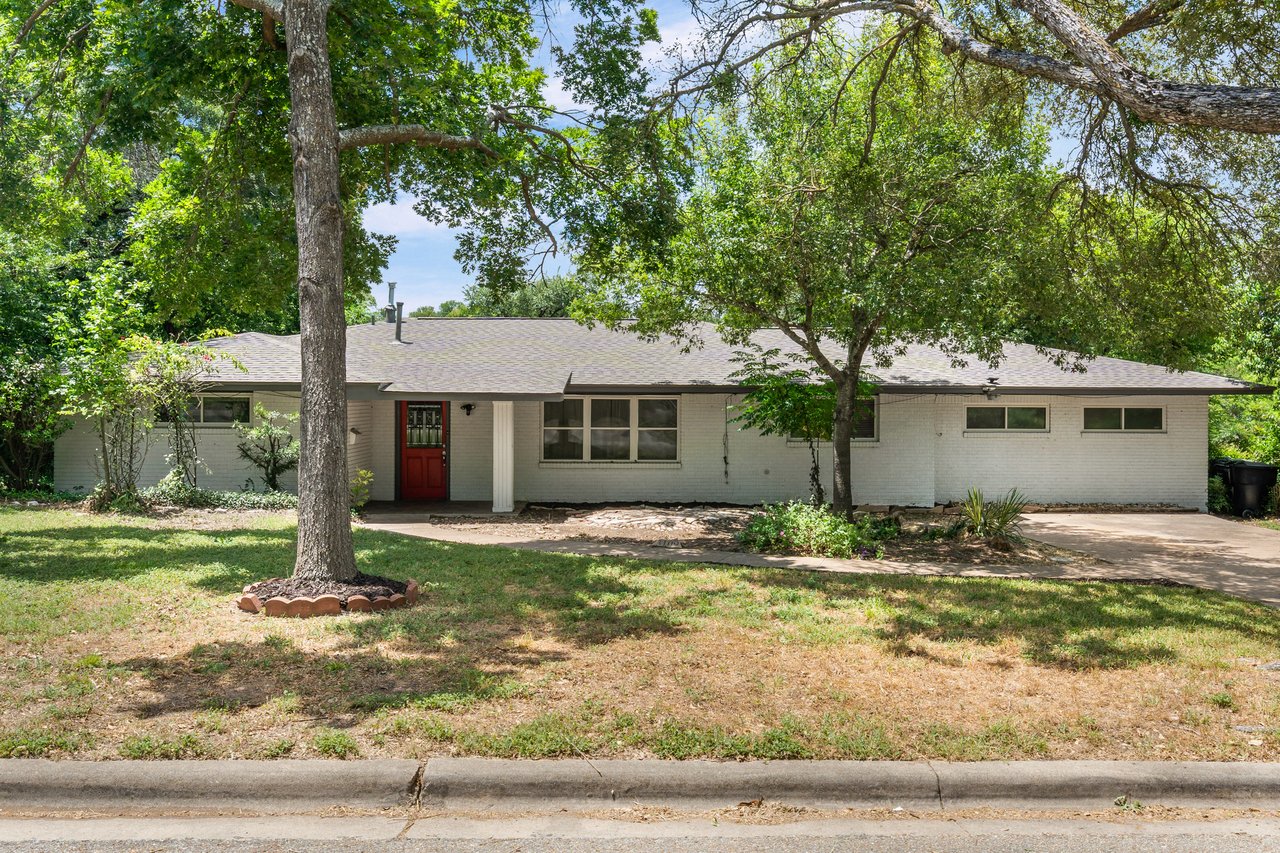
A Relocation Guide to Buying Before Selling, Bridge Loans, Contingent Offers, and Coordinating Closings Across State Lines
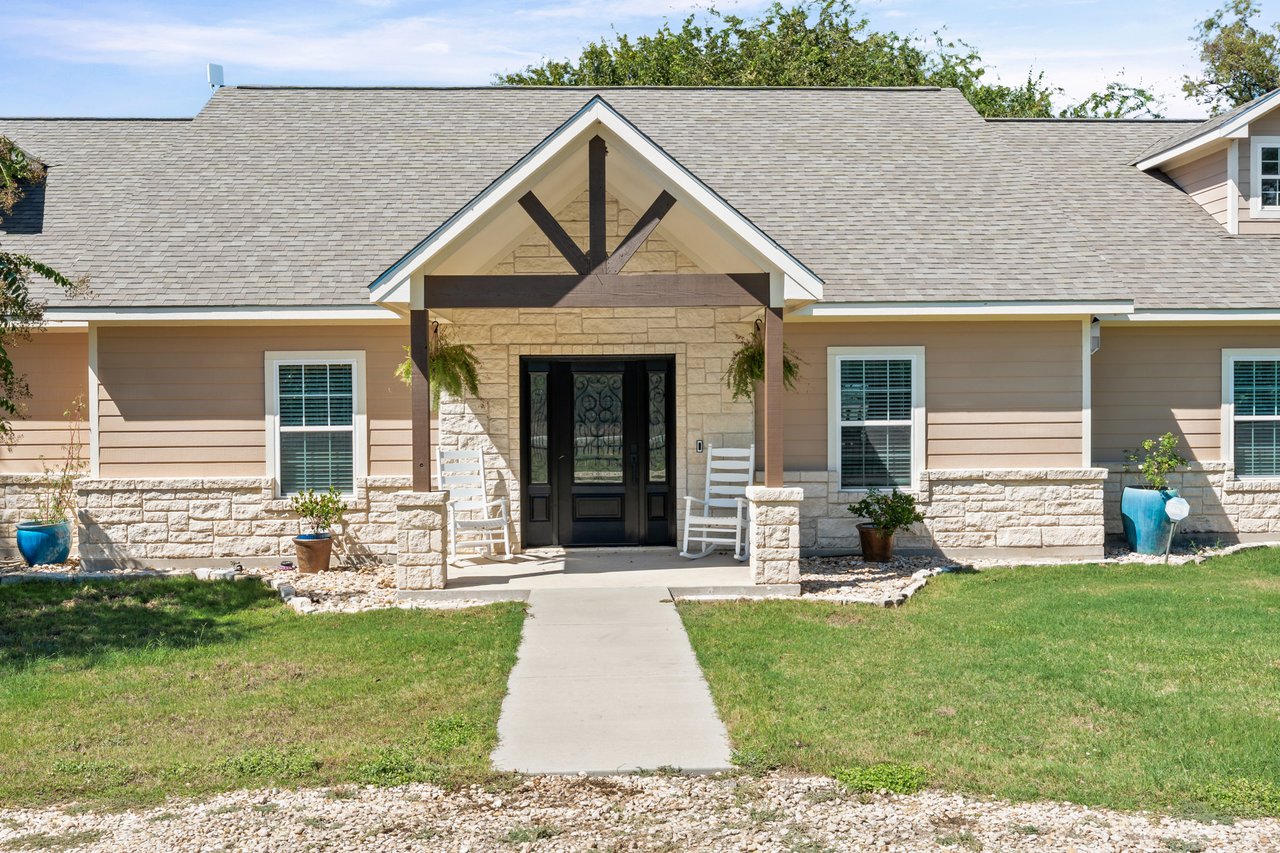
A Move-Up Buyer's Guide to Coordinating Two Closings, Using Your Home Equity, and Avoiding a Double Move

January vs. Spring 2027: Comparing Buyer Demand, Competition, and Market Conditions to Help Temple and Belton Luxury Homeowners Decide When to Sell

Why November and December Could Give Temple and Belton Homebuyers More Negotiating Power in 2026

What relocating homebuyers should know about Central Texas school ratings, campus differences, and choosing where to buy.
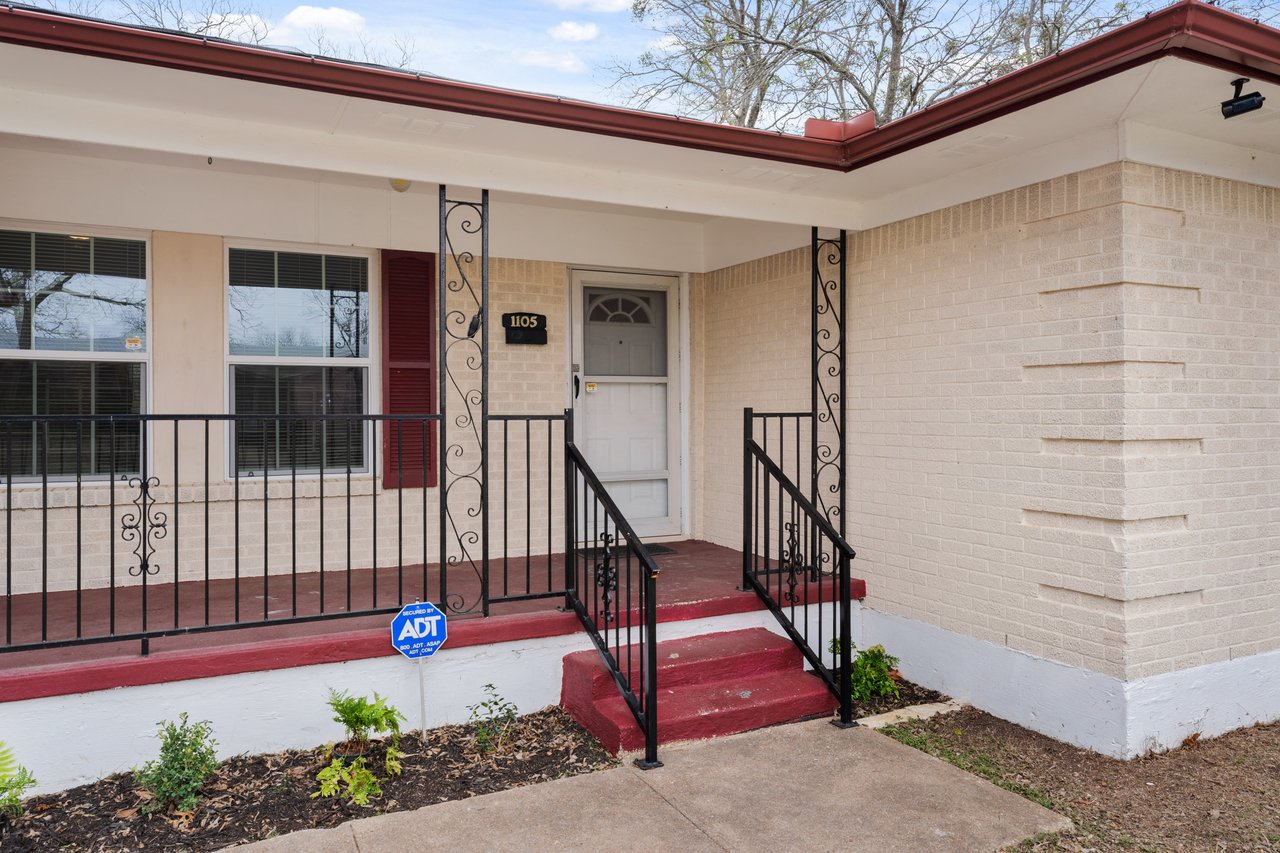
Leaving Fort Hood? Discover Whether Selling or Renting Your Killeen Home Makes Sense—and Why Temple, Belton, or Salado Could Be Your Next Move.
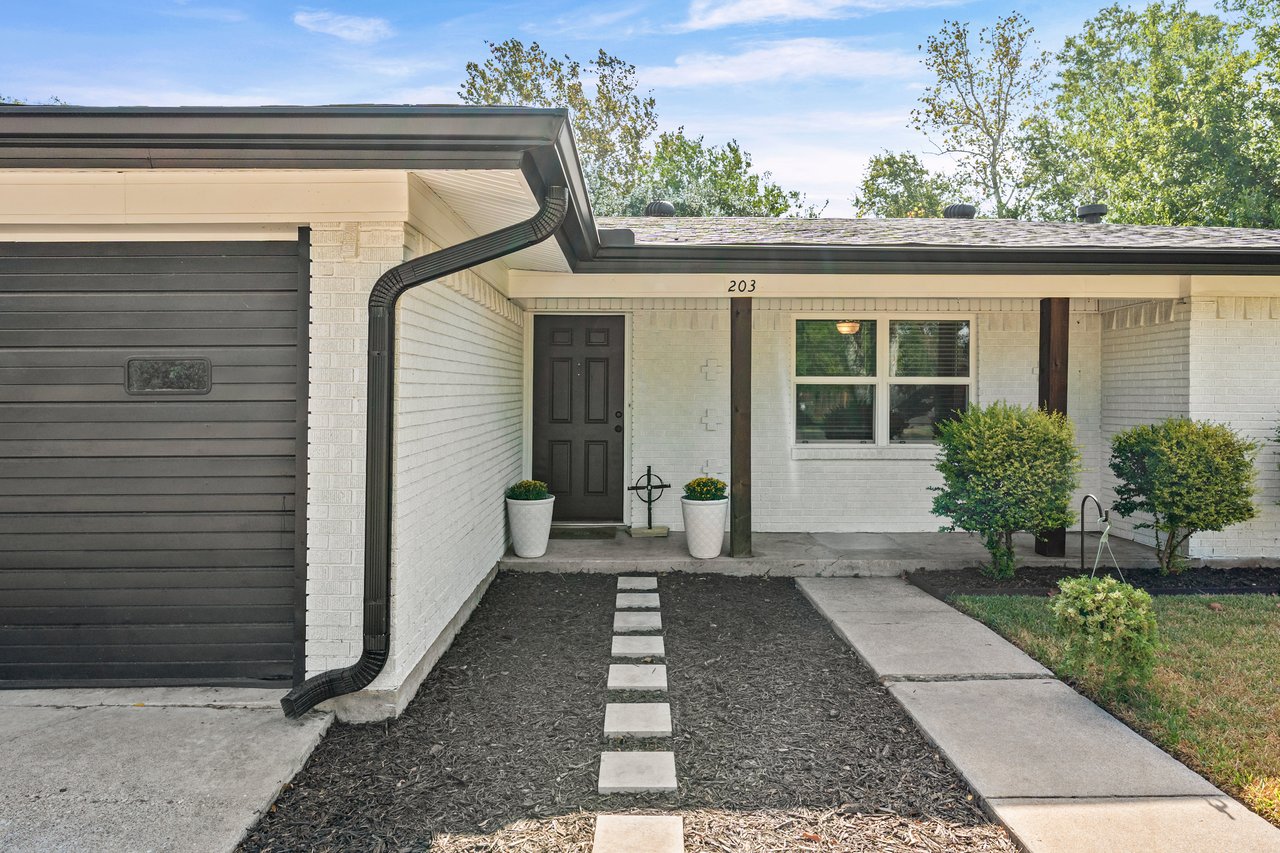
How Seller Concessions, Rate Buydowns, ARMs, and Builder Incentives Can Help You Buy in Today’s Market
Through my business, my involvement in our community, and my dedication to my clients, I have developed a great network of friends and business associates. If you need something, I’ll be able to help….and that’s what I love doing!

Ali L. Thompson
McKenna Taggart
Address
6270 W ADAMS AVE
TEMPLE TX 76502