
What Will Property Taxes Actually Add to Your Temple or Belton House Payment?
How much will property taxes add to your monthly payment when buying a home in Temple or Belton?
There isn't one Temple or Belton property-tax rate. Your tax bill depends on the specific property, taxable value, applicable taxing entities, and exemptions, so estimate taxes by address before making an offer.
If you're moving to Texas from another state, you may be excited about something you won't find here:
A state individual income tax.
Then you start shopping for homes in Temple or Belton and see the property taxes.
That's when the questions begin.
Why are the taxes on this house different from another home at the same price?
Why does the listing show one tax amount, but my lender is estimating something else?
Could my payment change after I buy?
These are important questions because your purchase price isn't the only number determining what a house costs each month.
We're Ali Thompson and McKenna Taggart with the Home in Texas Team, a mother-daughter run real estate team serving Temple, Belton, and Central Texas.
One of the most useful things you can do before making an offer is understand the Bell County property taxes associated with the actual home you're considering.
This is the first misconception to clear up.
You shouldn't take a generic tax percentage from Google and apply it to every Temple or Belton listing.
The research prepared for this article specifically points buyers to the Bell County Appraisal District's address-specific property-tax resources because taxing entities and adopted rates can vary by parcel.
A particular property can be subject to multiple taxing jurisdictions.
Depending on the address, those can include applicable:
That means two similarly priced homes in the broader Temple-Belton area don't necessarily produce identical tax bills.
For buyers, the solution is simple:
Research the property, not just the city.
When buyers say, "My mortgage payment will be $2,500," they're sometimes referring only to principal and interest.
But your practical monthly housing expense may include more.
A financed purchase commonly requires you to think about:
If taxes and insurance are escrowed through your mortgage servicer, money for those expenses is generally collected as part of the monthly payment.
That's why a home with an attractive purchase price can still produce a monthly payment higher than you expected.
Start with the exact address.
Bell County Appraisal District provides property and tax information that buyers can use as part of their research. The source material for this article specifically recommends parcel-level research rather than relying on a broad citywide estimate.
When you're evaluating a home, look at:
Then talk with your lender about the tax amount being used in your payment estimate.
Don't assume the amount shown on a real estate portal is automatically the number your lender will use.
Because last year's situation may not be your situation.
The existing owner's tax bill can be useful information, but you need context.
For example, the current owner may have an exemption that affects the taxable amount.
The property may also have changed.
This becomes especially important when you're buying:
So instead of asking only:
"What were the taxes last year?"
Ask:
"What should I reasonably expect the tax situation to look like after I own this property?"
Your lender, Bell County Appraisal District, and appropriate tax professionals can help you investigate the pieces relevant to your situation.
If the property will be your principal residence and you otherwise qualify, a homestead exemption can affect the taxable value used by certain taxing entities.
Bell County Appraisal District provides official information explaining available exemptions and their requirements.
This is worth understanding because an out-of-state relocation buyer may look at the seller's tax history without realizing the seller's exemptions are part of the picture.
Likewise, don't assume you're automatically entitled to every exemption currently associated with the property.
Eligibility matters.
After purchasing, use the official Bell County Appraisal District resources to determine which exemptions you may qualify for and how to apply.
This is one of the biggest property-tax surprises we want first-time and relocation buyers to understand.
Imagine you're looking at a brand-new Temple or Belton home.
You pull up the previous tax information.
The number looks fantastic.
Then you build your budget around it.
The problem?
The prior assessment may not reflect the completed home.
The Texas State Affordable Housing Corporation specifically warns buyers that newly built homes can initially have tax information based largely on the land before the completed improvement is fully reflected. That can later result in a substantially different tax bill and escrow requirement.
In other words:
Don't budget for a finished new home using a land-only tax bill.
Suppose your mortgage servicer initially collects escrow based on an underestimated tax amount.
Later, the completed home is reflected in the tax assessment and the actual bill is higher.
Now the escrow account may need more money.
Depending on the circumstances, your monthly payment can rise because the servicer needs to account for both the higher ongoing tax expense and potentially an escrow shortage.
This is why we want you asking about realistic property taxes before closing, not after the first annual escrow analysis.
We'll cover new-build escrow changes in more detail in a separate article because it's important enough to deserve its own guide.
The basic math is straightforward once you have a reasonable annual estimate.
Take the estimated annual property tax and divide by 12.
For example:
Estimated Annual Property Tax | Monthly Equivalent |
|---|---|
$4,800 | $400 |
$6,000 | $500 |
$7,200 | $600 |
$9,000 | $750 |
$12,000 | $1,000 |
These numbers are examples only. They are not Temple or Belton tax quotes.
The actual tax amount for a property needs to be researched using that property's information.
But the table illustrates why taxes matter so much when comparing homes.
A difference of several thousand dollars per year can materially change your monthly housing budget.
Imagine you're comparing two houses.
House A costs a little less.
House B costs slightly more.
It's tempting to assume House A automatically has the lower monthly cost.
But what if the properties have different:
The lower-priced house doesn't automatically produce the lower total monthly housing expense.
This becomes particularly important when comparing a resale home with new construction.
A builder may be offering financing incentives.
A resale seller may be willing to contribute toward certain costs.
One property may have HOA dues while another doesn't.
One may have a different tax profile.
That's why we recommend comparing the complete payment scenario.
If you're deciding between a few properties, ask your lender to help you compare realistic scenarios.
For example:
Home A
Home B
Now you're comparing the homes based on something much closer to your actual budget.
This can be especially useful for first-time homebuyers who naturally focus on purchase price because it's the largest number on the listing.
Property taxes become even more important as home values increase.
If you're relocating to Temple or Belton and shopping at $800,000, $1 million, or above, don't treat taxes as a footnote.
Build them into the ownership-cost analysis from the beginning.
Luxury buyers may also be comparing properties with significantly different characteristics:
That makes address-specific research even more important.
A million-dollar Temple property and a million-dollar Belton-area property shouldn't be assumed to have identical monthly ownership costs.
Acreage introduces another potential layer.
You may see listings marketed with phrases such as:
"Ag exempt."
Be careful with that language.
Bell County Appraisal District provides specific guidance regarding land appraisal, and the research prepared for this blog series recommends verifying a property's qualification history and current valuation rather than accepting listing language at face value.
If an agricultural valuation is important to the economics of your purchase, investigate:
Don't build a land purchase around an assumption you haven't verified.
This is where we encourage you to change the way you search.
Don't begin with:
"I can afford a $500,000 house."
Begin with:
"I want my total housing payment to stay around $X."
Then work backward with your lender.
Your purchasing power depends on more than the listing price.
Interest rates, taxes, insurance, down payment, HOA dues, and other costs all affect the number.
A relocation specialist can help you identify properties and locations to investigate, but your lender should help you determine the financing scenario appropriate to you.
Property taxes are only one part of the monthly ownership picture.
Texas buyers should also get serious about homeowners insurance early in the transaction.
The research for this blog series notes that the Texas Department of Insurance advises consumers to pay attention to roof coverage, including the difference between replacement-cost and actual-cash-value treatment and applicable wind/hail deductibles.
So when you're calculating affordability, don't estimate taxes carefully and then throw in a random insurance number.
Get an actual quote for the property when appropriate.
Before making an offer, work through these questions:
That gives you a much better picture than simply asking, "What's the tax rate in Temple?"
Not necessarily. Property taxes should be researched at the parcel level because the applicable taxing entities and adopted rates can vary by property. Bell County Appraisal District provides address-specific tax information.
Don't assume they will be. The seller may have exemptions or other circumstances that differ from yours, and the property's taxable information can change. New construction deserves particular attention because prior tax information may not reflect the completed home.
Sellers and listing agents should avoid presenting an estimate as a guarantee. Buyers can be directed to official property-tax information and should work with their lender and appropriate professionals to determine how taxes affect their expected payment.
Property taxes aren't the most exciting part of buying a home.
But discovering that your monthly payment is hundreds of dollars more than you expected isn't exciting either.
That's why we want you to understand the numbers before you make the decision.
We're Ali Thompson and McKenna Taggart with the Home in Texas Team, a mother-daughter run real estate team serving Temple, Belton, and surrounding Central Texas communities.
Whether you're moving from another state, buying your first home, or searching for a luxury property, we'll help you ask the right property-specific questions while you compare homes.
If you're looking for a first time homebuyer specialist or relocation team in Temple or Belton, reach out to the Home in Texas Team. We'll help you look beyond the listing price and understand the factors you should investigate before choosing your Central Texas home.
Ali Thompson & McKenna Taggart
Home in Texas Team
Temple & Belton, Texas
Relocation • Luxury Real Estate • First-Time Homebuyers
How Temple and Belton buyers can estimate property taxes for a specific home and understand how taxes affect the monthly payment before making an offer.

How Morgan’s Point Resort and Belton compare for buyers considering location, housing style, lake access, commute, utilities, and everyday convenience.

What buyers should know about lake views, shoreline access, flood considerations, utilities, property boundaries, and everyday life before buying a home near Lake Belt… Read more

What relocation buyers should know about the planned I-14 and I-35 improvements between south Belton and Temple—and how to factor future road projects into a home sear… Read more
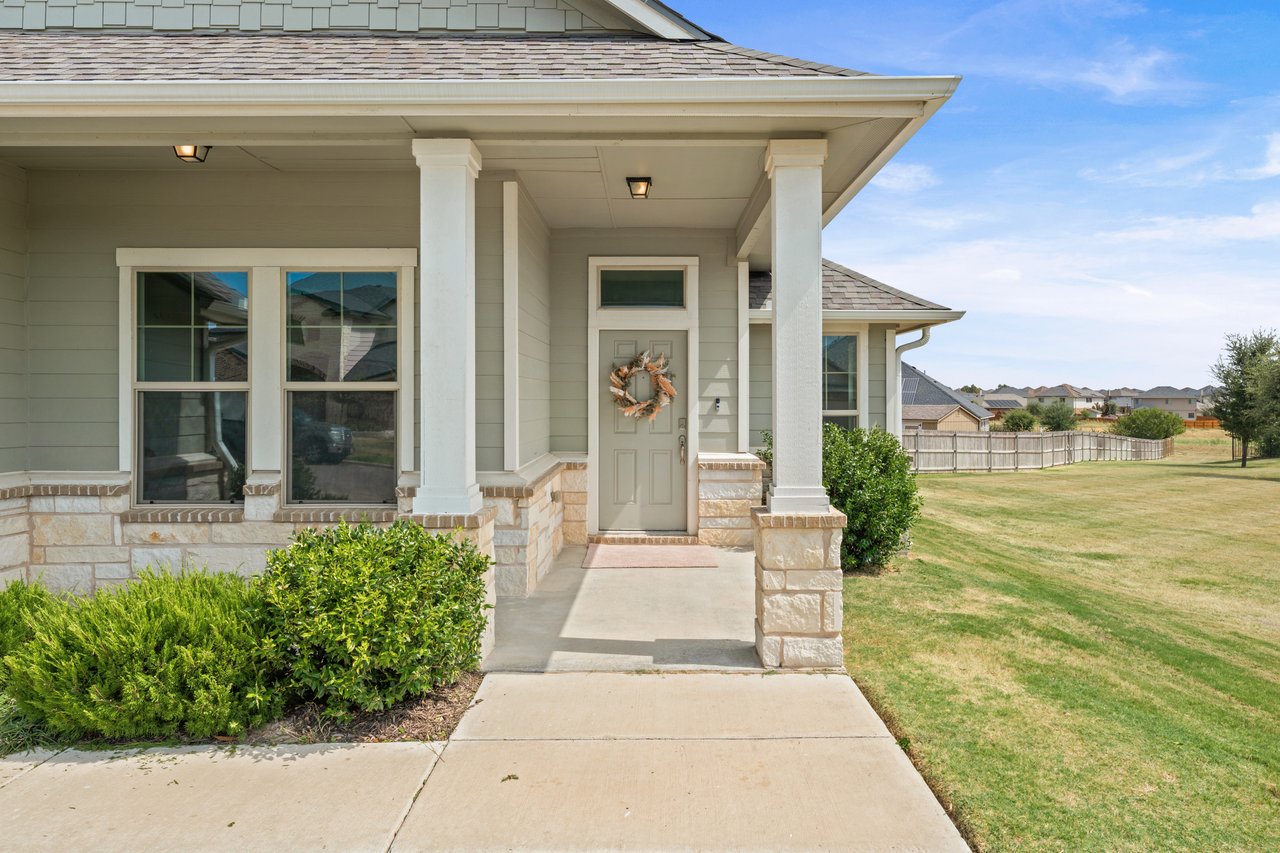
What relocation buyers should know about West Temple’s location, housing options, commute considerations, school boundaries, and day-to-day convenience before choosing… Read more
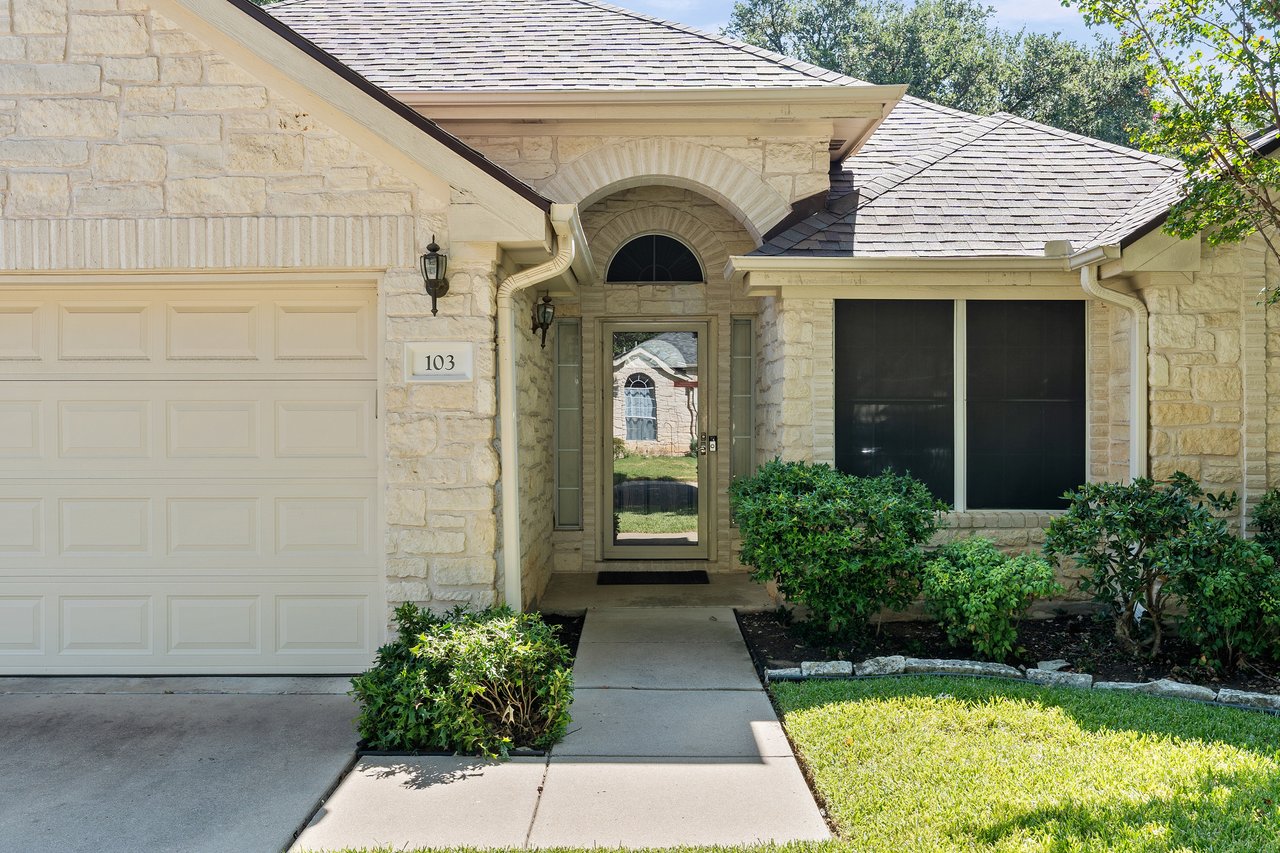
How out-of-state buyers can tour homes, complete inspections, sign documents, and close on a Temple or Belton home without making repeated trips to Texas.

What Temple and Belton Home Sellers Need to Know About Negotiable Commissions, Buyer Affordability, and Protecting Their Net Proceeds
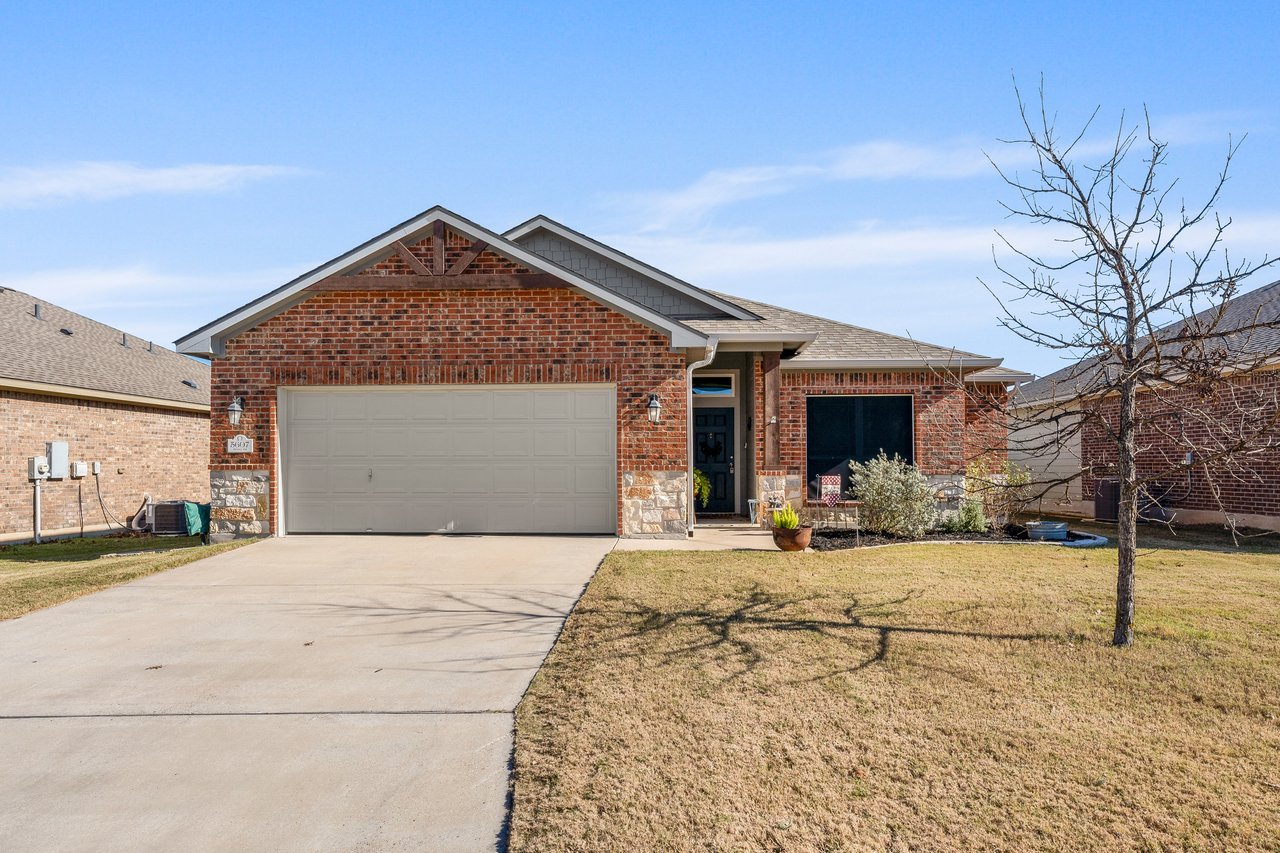
A First-Time Buyer's Guide to Down Payments, Closing Costs, Earnest Money, and the Cash You'll Actually Need in 2026
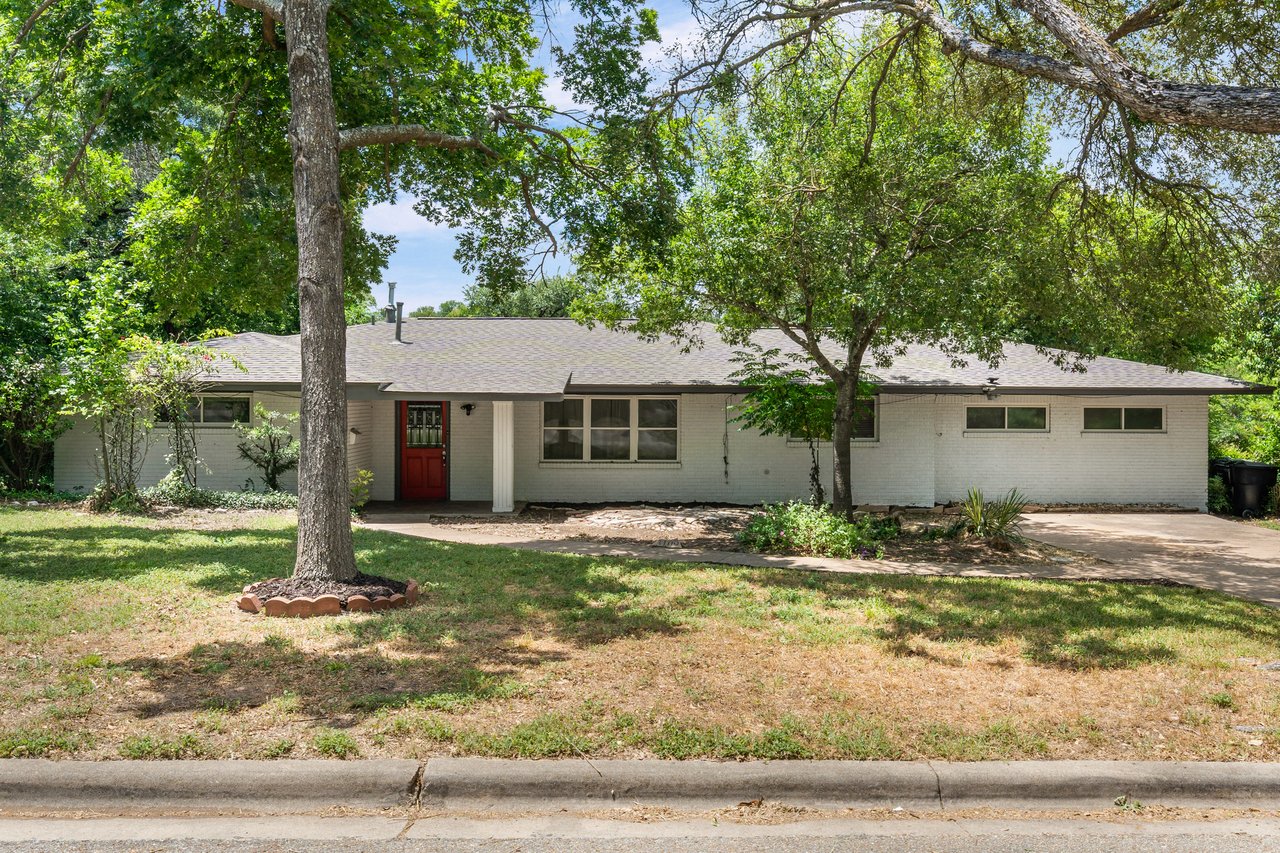
A Relocation Guide to Buying Before Selling, Bridge Loans, Contingent Offers, and Coordinating Closings Across State Lines
Through my business, my involvement in our community, and my dedication to my clients, I have developed a great network of friends and business associates. If you need something, I’ll be able to help….and that’s what I love doing!

Ali L. Thompson
McKenna Taggart
Address
6270 W ADAMS AVE
TEMPLE TX 76502